Best waterfall hikes in Eagle County
If the calming sound of cascading water fills your soul with joy, you're in for a treat.
Here are some great hikes to explore in Eagle County.
Most popular hikes
Reviews for waterfall hikes in Eagle County




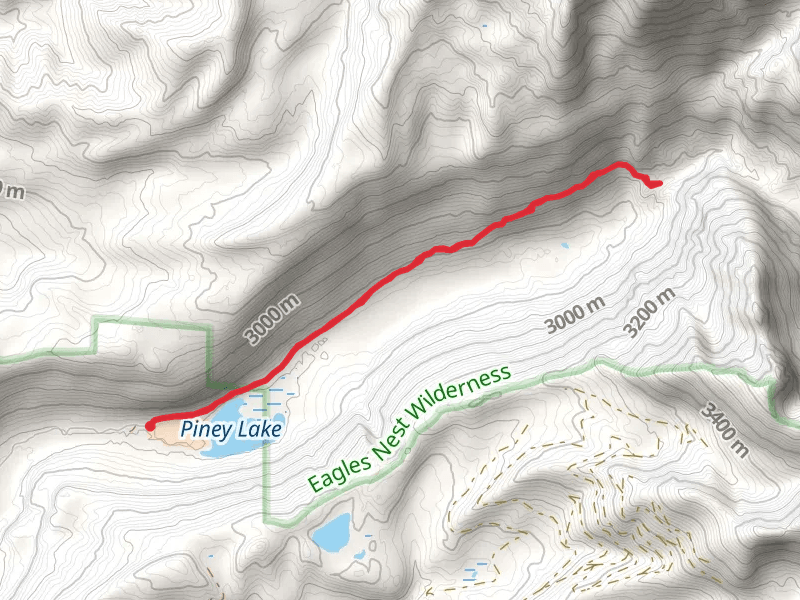
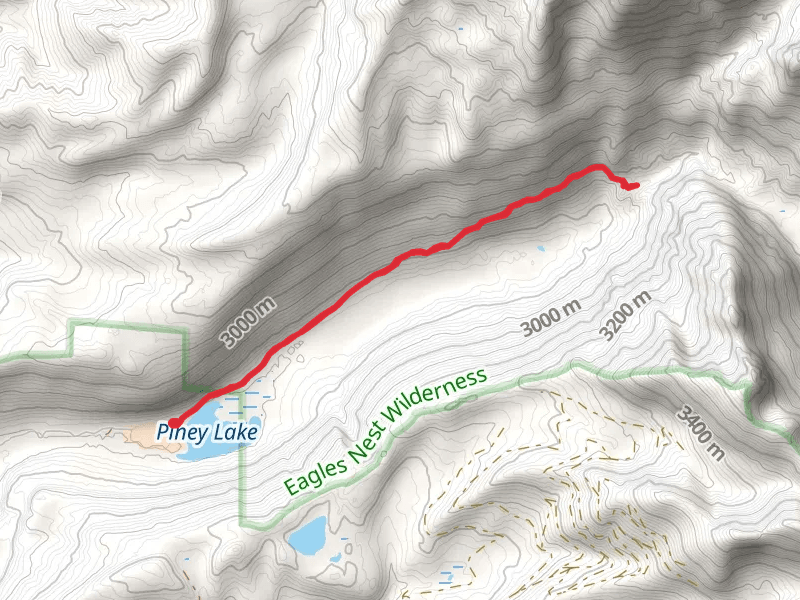
Hunky Dory and Seven Sisters Lakes via Holy Cross City Road
OutbackSummitview94 · reviewed over 1 year ago

Frequently asked questions for hikes in Eagle County

In Colorado, a hiker's paradise, weather conditions can vary greatly by season and elevation. Generally, the state experiences a sunny, dry climate, making it a year-round hiking destination.
Summer (June through August) offers the warmest weather and is typically the best time to tackle high-altitude hikes in the Rocky Mountains, as trails are mostly free from snow. However, afternoon thunderstorms are common, so early starts are recommended.
Winter (December through February) brings snow and cold temperatures, especially at high elevations, making some trails inaccessible. But for the prepared adventurer, winter hiking or snowshoeing can offer a unique and serene experience. Always check local weather conditions before setting out. For trail updates and weather info, visit the Colorado Parks & Wildlife website. [Link: https://climate.colorado.gov/]

While most Colorado trails are free, some popular areas, like Hanging Lake or Rocky Mountain National Park, require permits or reservations to manage visitor impact. Permits can typically be obtained online in advance. Contact the relevant park management or Colorado Parks & Wildlife for specifics. [Link: https://www.nps.gov/romo/planyourvisit/permitsandreservations.htm]

Wild camping, often referred to as dispersed camping, is generally permitted in Colorado's National Forests and Bureau of Land Management areas, unless otherwise posted. Hikers must follow Leave No Trace principles and fire restrictions. Always check specific regulations with the managing agency. [Link: www.fs.usda.gov]

In the event of a hiking emergency in Colorado, dial 911 for immediate assistance. The Colorado Search and Rescue Association (CSAR) coordinates rescue efforts in the mountainous terrains. Always let someone know your hiking plans and carry a charged cell phone. [Link: https://coloradosar.org/]

Colorado's diverse landscapes offer a variety of flora. Alpine regions feature tundra wildflowers, while lower elevations host pine forests and aspen groves. Hikers should respect the delicate ecosystem and avoid trampling wildflowers. The Colorado Native Plant Society website provides comprehensive information. [Link: www.conps.org]

Colorado's trails reveal an array of wildlife, from elk and deer in the Rocky Mountain National Park to marmots and pikas in alpine areas. Be bear-aware, particularly in forested areas, and mindful of smaller critters like ticks and mosquitoes. For wildlife safety tips, refer to the Colorado Parks & Wildlife website. [Link: https://dnr.colorado.gov/divisions/colorado-parks-wildlife]
More hikes in Eagle County
by difficulty
by type