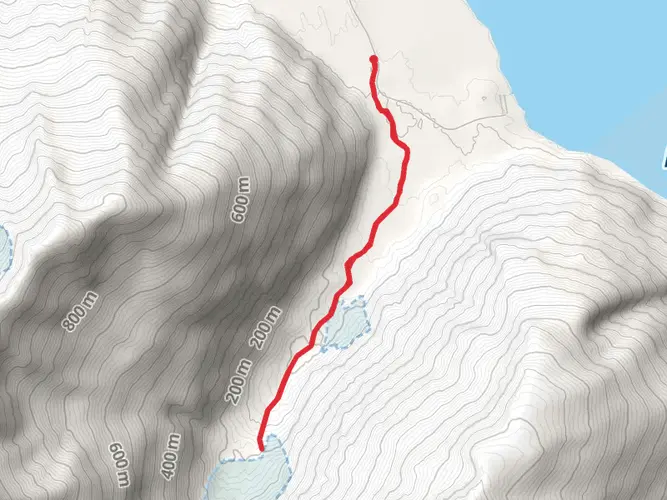
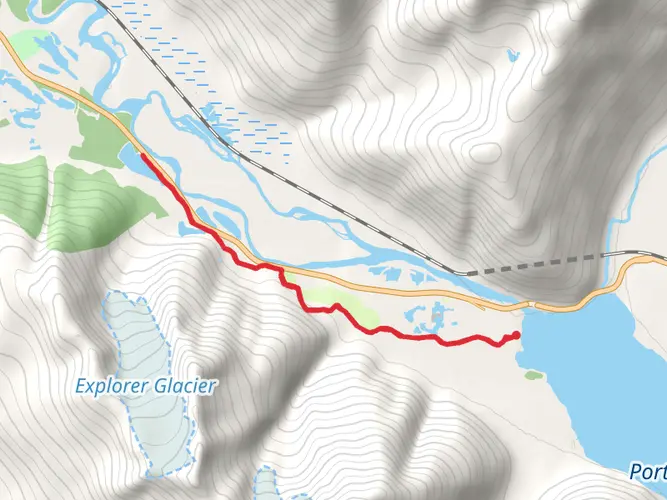
Download
3D Flyover
Add to list
More
33.1 km
2 days
586 m
Multi Day
“Embark on the historically rich Johnson Pass Trail, a moderate Alaskan hike with stunning vistas and diverse wildlife.”
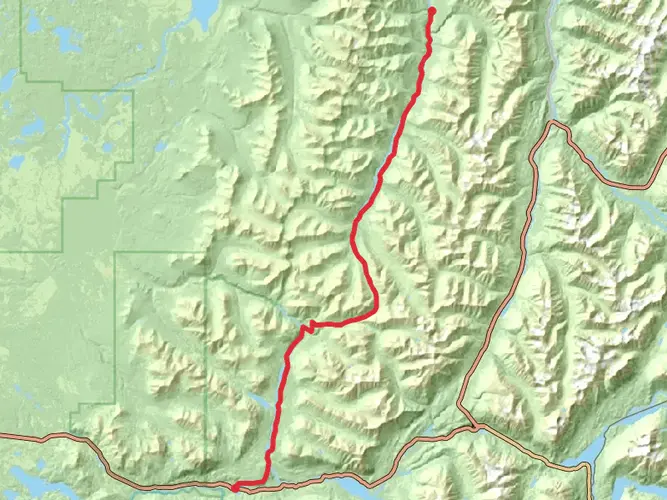
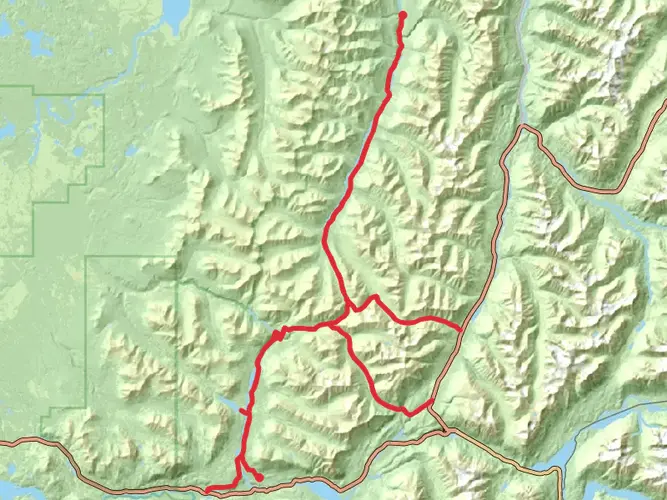
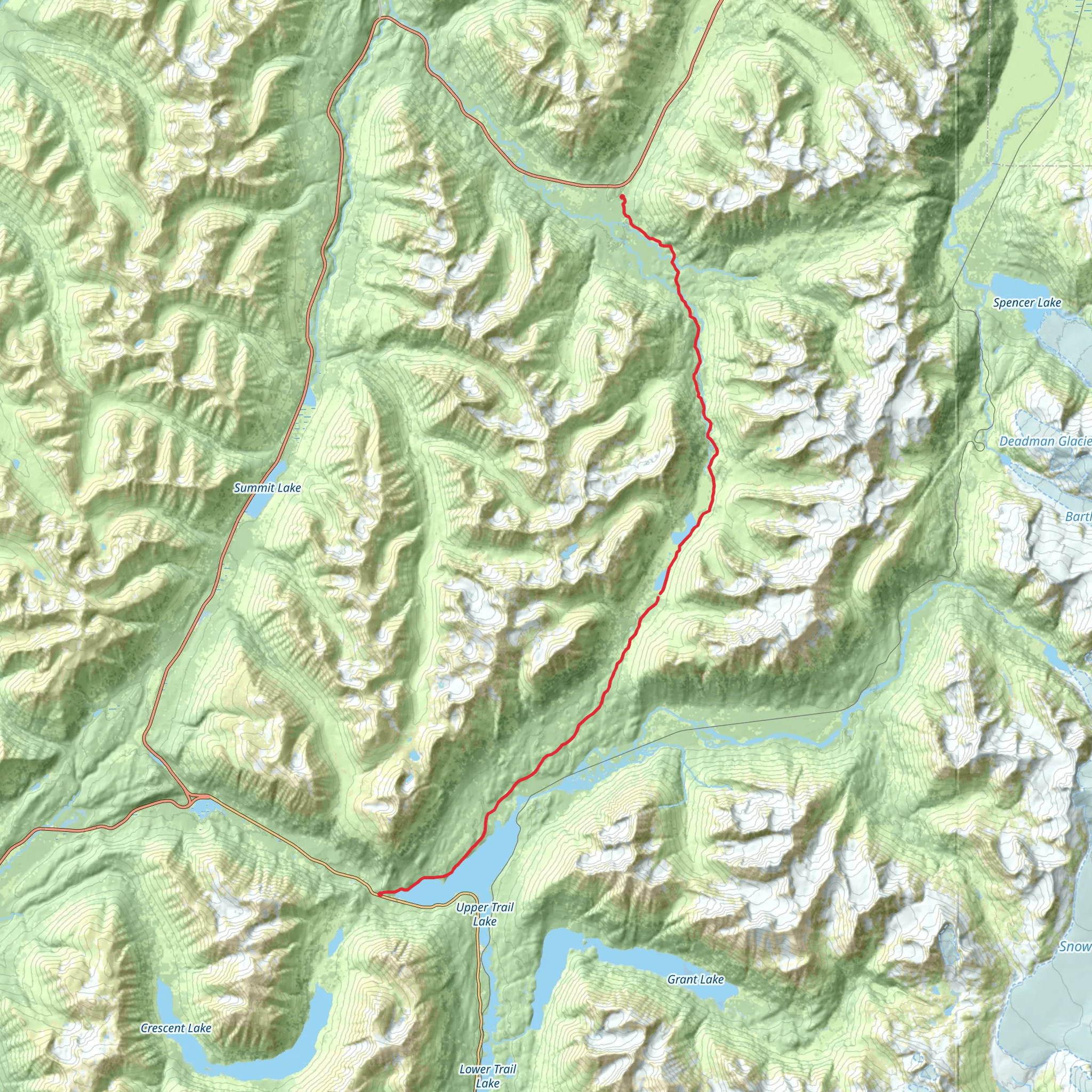
Nestled in the scenic Kenai Peninsula of Alaska, the Johnson Pass Trail offers a remarkable journey through a landscape rich with natural beauty and historical significance. Spanning approximately 33 kilometers (20.5 miles), with an elevation gain of around 500 meters (1640 feet), this point-to-point trail is rated as medium difficulty, making it accessible to hikers with a moderate level of experience.
Getting to the Trailhead
To reach the trailhead, hikers can drive to the northern entrance near Moose Pass, which is accessible via the Seward Highway. For those without a car, options include local shuttle services from nearby towns such as Seward or Anchorage. The southern trailhead can be found near the town of Granite Creek and is also reachable by the Seward Highway. Parking is available at both ends of the trail.
Navigating the Trail
Hikers can rely on the HiiKER app for detailed maps and navigation assistance throughout their trek. The trail is well-marked, but as with any backcountry hike, it's essential to be prepared with a reliable navigation tool.
Trail Experience
As you embark on the Johnson Pass Trail, you'll be greeted by a canopy of spruce and hemlock trees, with the path meandering alongside Johnson Creek. The trail is known for its lush vegetation, including vibrant wildflowers in the summer months, such as fireweed and lupine.
Approximately 5 kilometers (3.1 miles) into the hike, you'll encounter the first of several wooden bridges that cross over the rushing streams fed by glacial meltwater. The sound of water is a constant companion as you navigate through the valley.
Wildlife and Natural Landmarks
The Kenai Peninsula is home to an array of wildlife, and the Johnson Pass Trail is no exception. Hikers may spot moose, black bears, and bald eagles. It's crucial to be bear-aware, carrying bear spray and knowing how to store food properly.
Around the halfway point, the trail opens up to reveal stunning views of Johnson Pass itself, with towering peaks and alpine meadows. Here, the elevation gain becomes more noticeable, and the landscape shifts to reveal panoramic vistas.
Historical Significance
The area is steeped in history, with the trail originally used by Alaska Native peoples and later by prospectors during the gold rush era. As you hike, consider the generations of travelers who have traversed this pass, each with their own stories and purposes.
Preparation and Safety
Given the trail's length and remote location, it's important to be well-prepared with adequate food, water, and clothing for changing weather conditions. The trail can be hiked in one long day or over a couple of days with camping along the route. There are designated backcountry campsites available for overnight stays.
Conclusion
The Johnson Pass Trail is a journey through time, nature, and the rugged beauty of Alaska. With its moderate difficulty and rich experiences, it's a hike that offers both challenge and reward for those who traverse its path.
AI Planner
Days planned around your pace, with somewhere to stay each night.
What to expect?
Activity types
Frequently asked questions
How long is the Johnson Pass Trail and how many days does the Johnson Pass Trail take?
The Johnson Pass Trail is 33.1 km, or about 20.5 miles, as a point-to-point route on the Kenai Peninsula. Strong hikers sometimes cover it in a long day, but it is commonly done as an overnight or relaxed 2-day trip because the route is long enough to suit a multi-day outing.
Where are the trailheads and parking areas for the Johnson Pass Trail in Alaska?
The Johnson Pass Trail has access from both ends of the route along the Seward Highway corridor. The north end is the Johnson Pass North Trailhead in Chugach National Forest, and the south end is commonly accessed near Granite Creek, where there is a campground and trail access about a mile east of Granite Creek Campground.
Is the Johnson Pass Trail difficult, and how much elevation gain does the Johnson Pass Trail have?
The Johnson Pass Trail is generally considered an easier long-distance hike because the grades are moderate and the total elevation gain is about 586 m, or roughly 1,923 feet. The bigger challenge is the length rather than steep climbing, since the full route covers more than 33 km through backcountry terrain.
Is the Johnson Pass Trail good for backpacking and mountain biking?
Yes. The Johnson Pass Trail is a classic point-to-point route that works well for backpacking because of its 33.1 km length and relatively moderate elevation profile. It is also widely known as a mountain-bike-friendly trail, with bridged stream crossings, steady grades, and a historic corridor through Chugach National Forest.
What is the Johnson Pass Trail known for on the Kenai Peninsula?
The Johnson Pass Trail follows part of the historic Iditarod National Historic Trail and traces an older wagon-road corridor between the Seward and Hope areas. Hikers pass through spruce forest, creek valleys, bridged drainages, and the Johnson Pass area itself, making it one of the better-known long trails on the Kenai Peninsula.
Are there bridges and creek crossings on the Johnson Pass Trail?
Yes. One reason the Johnson Pass Trail is approachable for a long backcountry route is that several stream crossings are bridged rather than requiring repeated fords. That makes the route more straightforward than many Alaska trails, although wet ground and changing conditions are still possible after rain or during shoulder seasons.
Comments and Reviews
User comments, reviews and discussions about the Johnson Pass Trail, Alaska.
4.52
average rating out of 5
21 rating(s)