Search a hike or location

search
Best camping hiking trails in Burke County
Share:

Best camping hiking trails in Burke County

Why stop at hiking when you can make it an overnight adventure? These camping-friendly trails are perfect for those who want to pitch a tent and sleep under the stars after a day of exploring.

Here are some great trails to explore in Burke County.

Most popular trails


Reviews for camping hiking trails in Burke County

Mathew Rosenbaum avatar

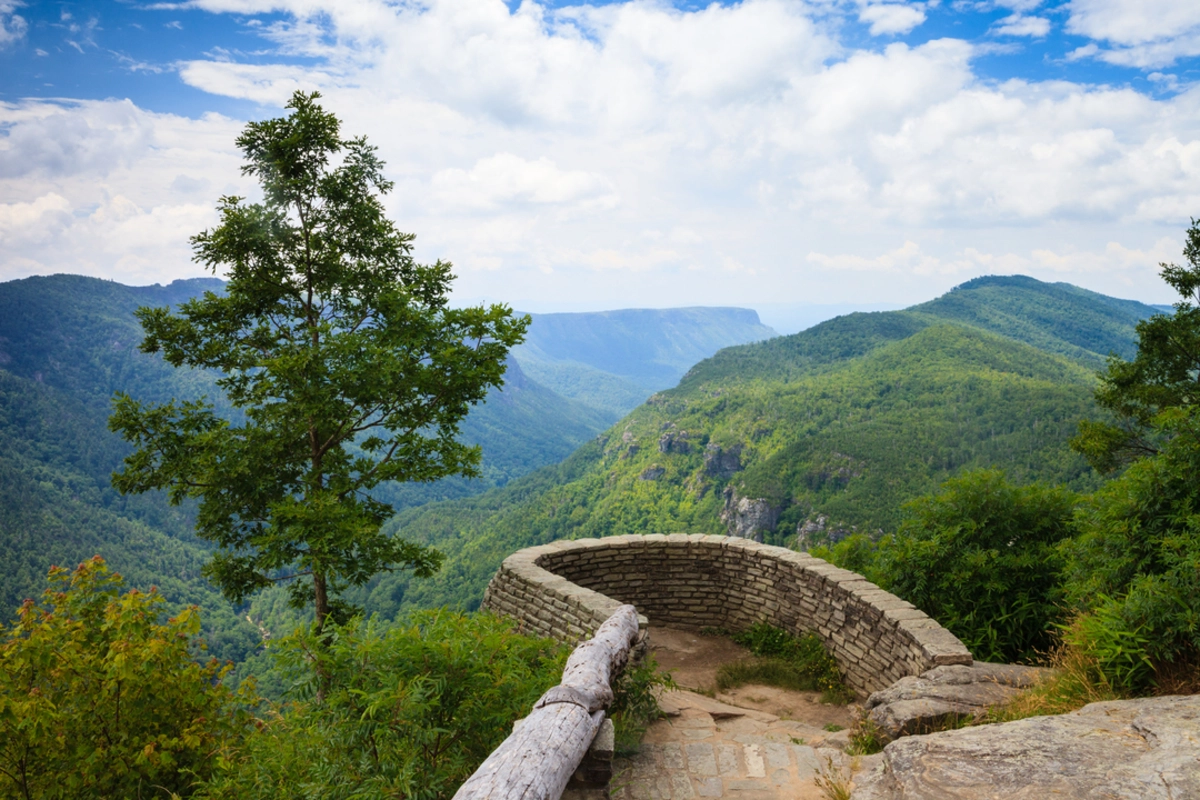
Wiseman's View

PathFootstep17 reviewed about 1 year ago

star star star star star


Marion Brakus avatar

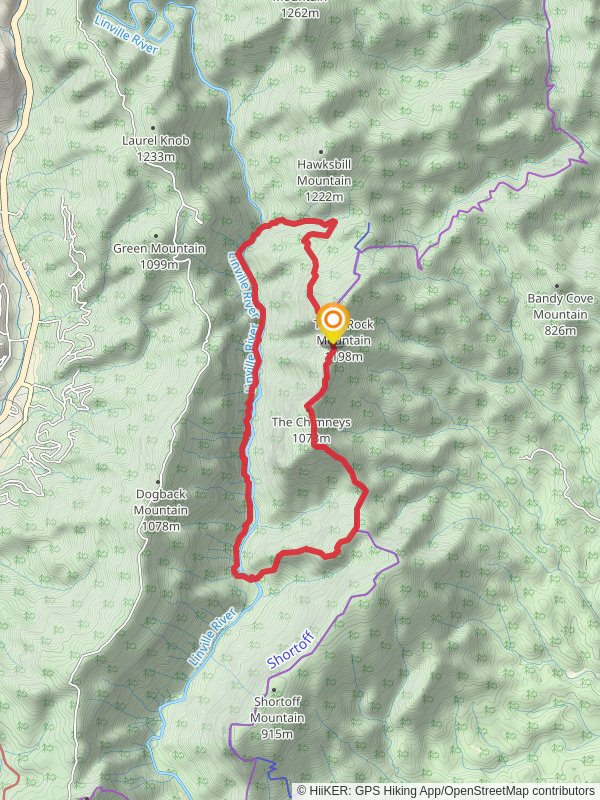
The Chimneys via Mountains-to-Sea Trail

HighlandHuntsman85 reviewed almost 2 years ago

star star star star star


Alva Lockman DDS avatar

The Chimneys via Linville Gorge Trail and Little Table Rock Trail

AspenSnowwalker31 reviewed over 1 year ago

star star star star star


Porter Deckow avatar

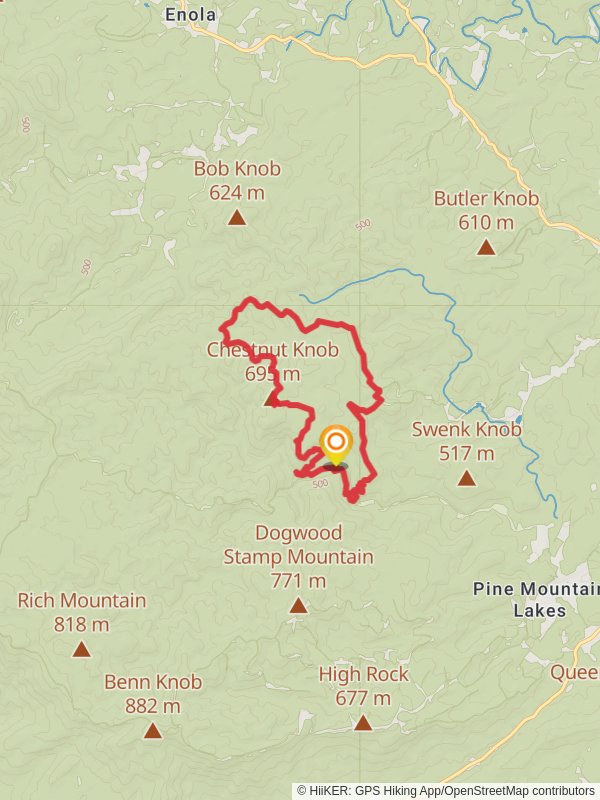
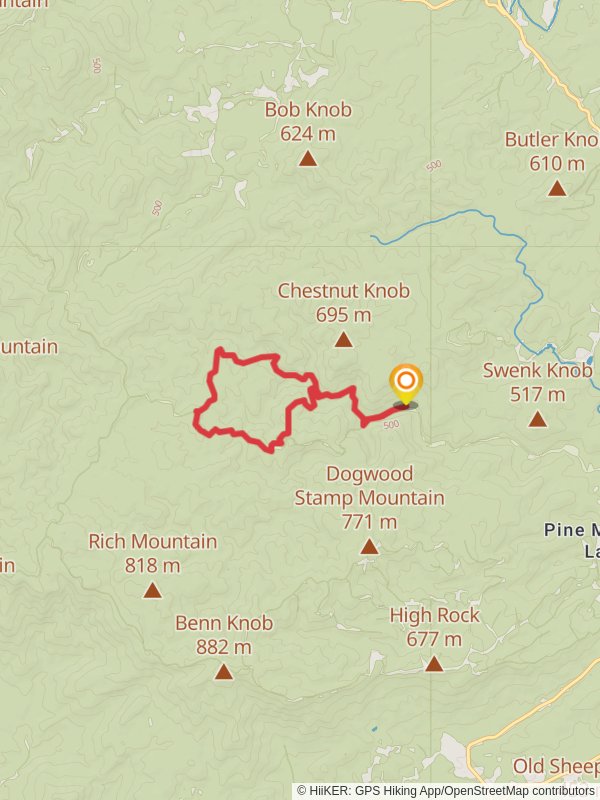
Chestnut Knob, Upper CCC Trail and Little River Trail Loop

WildLedgehopper59 reviewed about 1 year ago

star star star star star


Fletcher Johnson avatar

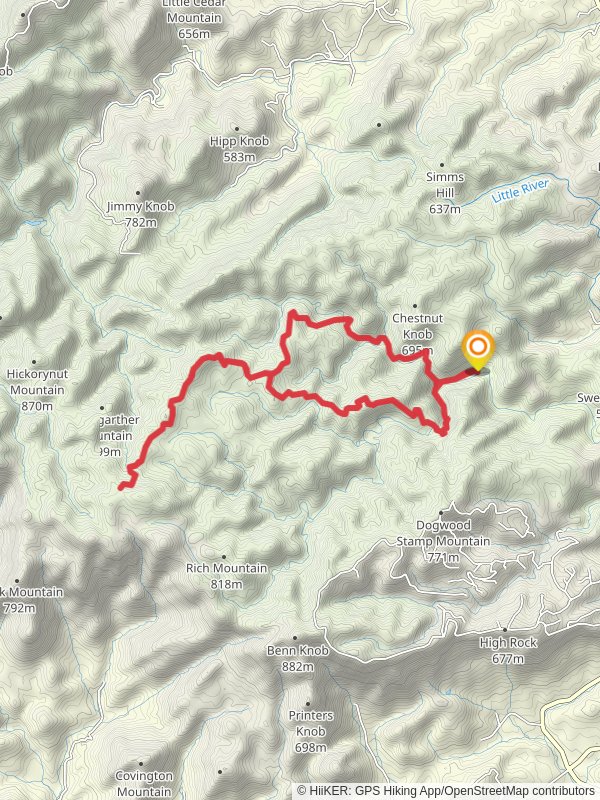
High Shoals Falls, Upper Falls Trail and Shinny Creek Loop Trail

FoothillTundrarunner17 reviewed over 1 year ago

star star star star star


Frequently asked questions for hiking trails in Burke County

What is the climate like for hiking in North Carolina?

North Carolina's climate varies greatly from the coastal plains to the mountainous regions. Coastal and Piedmont areas experience hot summers and mild winters, while the mountains can be significantly cooler. However, extreme temperatures can make summer hiking challenging and winter hiking risky due to icy trails and potential snowfall.
Spring and fall offer the most comfortable hiking conditions, with moderate temperatures and lower humidity. Fall is particularly attractive as the forests explode with autumn colors.
The best time to hike in North Carolina generally spans from March to May and September to November. Regardless of the season, check weather forecasts before setting out, and visit the North Carolina State Parks website (https://www.ncparks.gov/) for trail conditions and closures.


Do I need a permit to hike in North Carolina?

Most hiking trails in North Carolina are free and open to the public without a permit. Certain areas, like state parks or wildlife refuges, might require entrance fees or permits. Contact North Carolina State Parks (https://www.ncparks.gov/) for specific information.


Is wild camping allowed in North Carolina?

Wild camping in North Carolina is allowed in many national forest areas, though restrictions apply, such as maintaining distance from water sources. Always follow "Leave No Trace" principles. For specifics, consult the U.S. Forest Service's website for the region (https://www.fs.usda.gov/main/nfsnc/home).


Are there mountain rescue services in North Carolina?

In case of emergencies while hiking in North Carolina, dial 911. Local law enforcement coordinates with voluntary organizations for Search and Rescue operations. For safety tips and emergency information, consult the North Carolina State Parks website (https://www.ncparks.gov/).


Are there dangerous plants in North Carolina?

North Carolina's flora is richly diverse, from coastal pines to mountain rhododendrons. While hiking, you might encounter blooming dogwoods in spring or fiery maples in fall. For a deeper understanding of the region's flora, visit the North Carolina Botanical Garden's website (https://ncbg.unc.edu/).


What wildlife should I be aware of when hiking in North Carolina?

In North Carolina, hikers may encounter wildlife ranging from deer and squirrels to black bears, especially in the mountains. Insects like ticks and mosquitoes are common in warmer months. Always respect wildlife and consider insect repellent. For more information, consult the North Carolina Wildlife Resources Commission https://a-z-animals.com/animals/location/north-america/united-states/north-carolina/