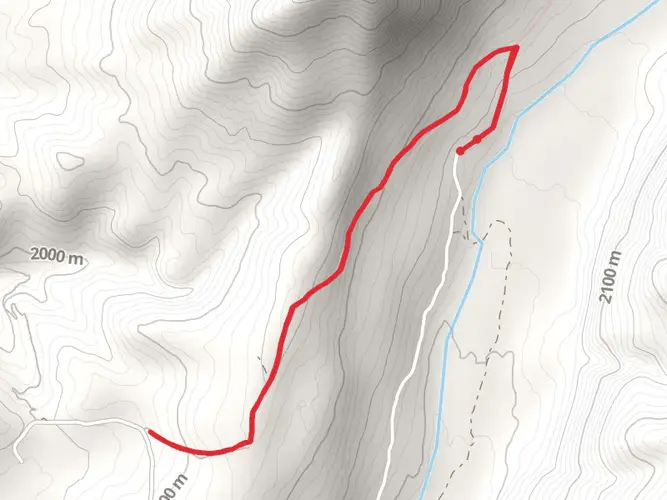
Download
3D Flyover
Add to list
More
34.4 km
3 days
1855 m
Multi Day
“Journey through the majestic Crazy Mountains, a sacred, wildlife-rich terrain steeped in history and natural splendor.”
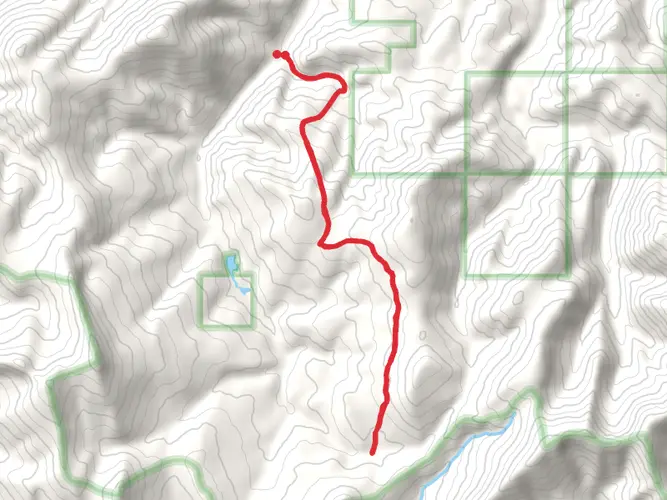
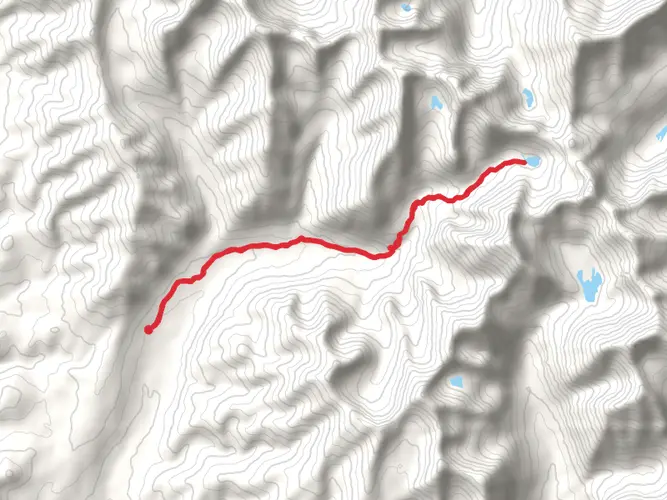
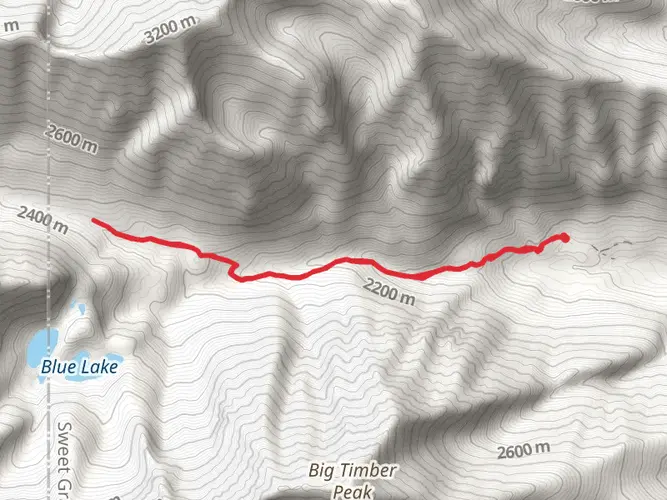
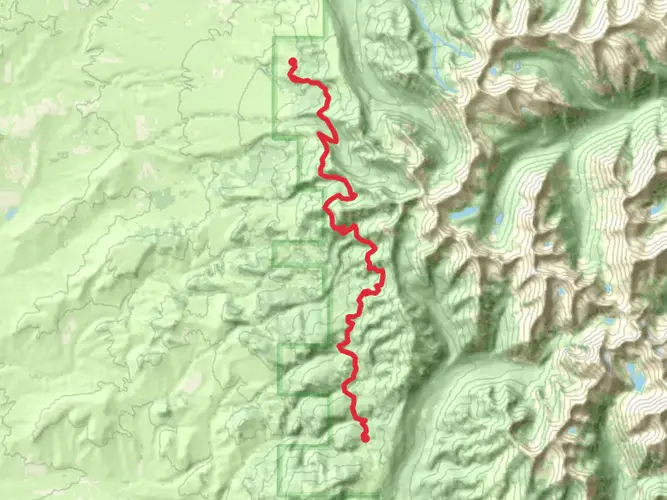
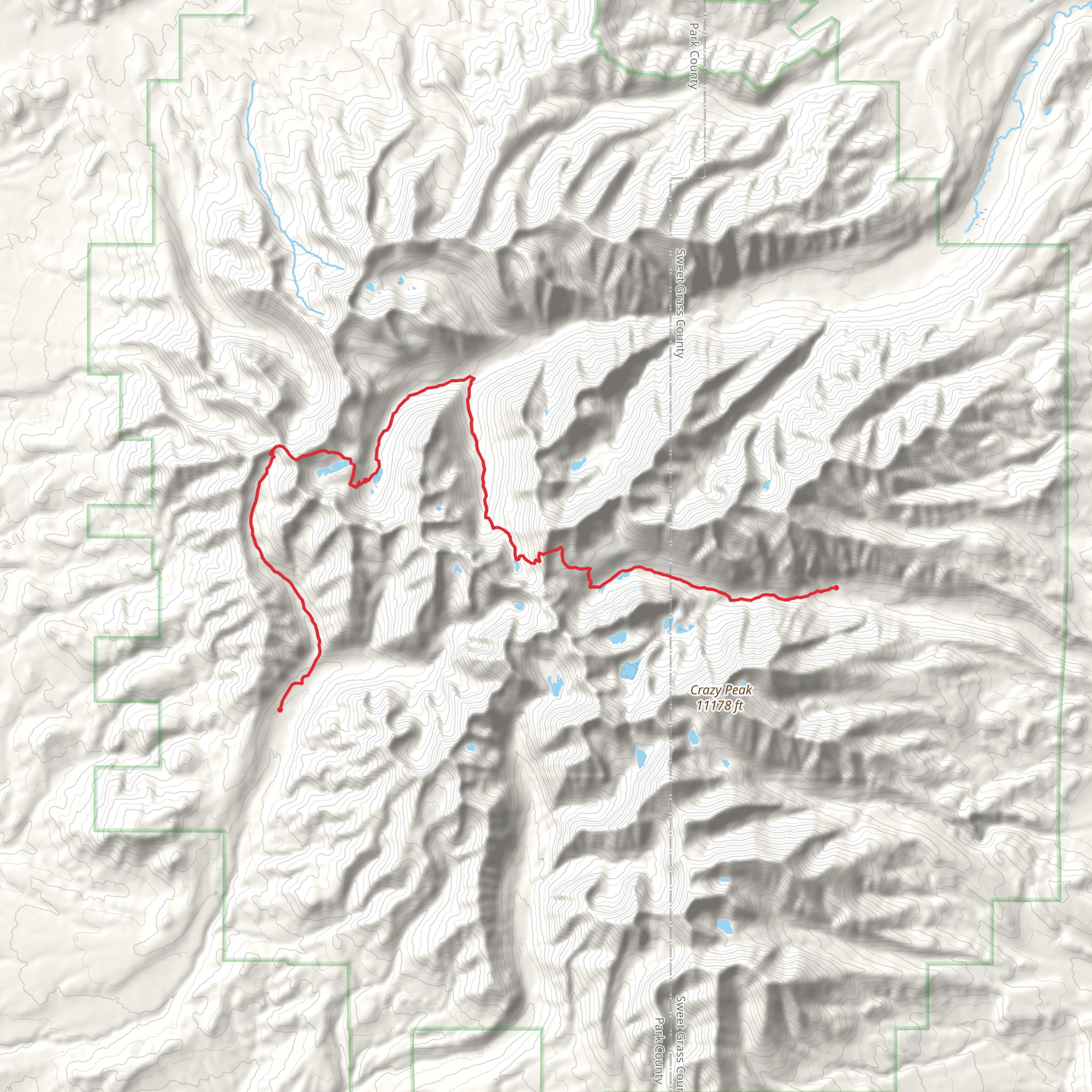
Embarking on the Crazy Mountains Traverse is a journey through rugged terrain, offering a challenging yet rewarding experience for seasoned hikers. This point-to-point trail spans approximately 34 kilometers (about 21 miles) with an elevation gain of roughly 1800 meters (nearly 5900 feet), showcasing the raw beauty of the Montana landscape.
Getting to the Trailhead The trailhead is located near Sweet Grass County, Montana, which is accessible by car. For those relying on public transportation, options are limited, and it's recommended to arrange a shuttle or taxi service from nearby towns to reach the starting point. Ensure you have a reliable means of returning from the trail's end unless you plan to hike back or have arranged a pickup.
Navigating the Trail The Crazy Mountains Traverse is not for the faint of heart, with steep ascents and descents throughout. Hikers should be well-prepared with topographical maps and a GPS device. The HiiKER app is an excellent resource for up-to-date trail maps and navigation assistance.
Landmarks and Scenery As you progress along the trail, you'll be greeted with panoramic views of alpine meadows, jagged peaks, and pristine lakes. The Crazy Mountains are steeped in history, with the Crow people referring to them as the "Awaxaawippiia." The range is considered sacred, with many spiritual sites within its bounds.
Wildlife and Flora The area is home to an abundance of wildlife, including elk, mountain goats, and bears. Hikers should be bear-aware, carrying bear spray and knowing how to store food properly. The trail also winds through diverse ecosystems, from dense forests to subalpine zones, where you can find wildflowers and unique plant species.
Historical Significance The Crazy Mountains hold a rich tapestry of history. They served as a landmark for Native American tribes and later for pioneers and settlers. The range was also a hunting and spiritual ground for the Crow people, and it remains an important part of their culture today.
Preparation and Safety Given the trail's difficulty, it's crucial to be in good physical condition and have experience with backcountry hiking. Weather can change rapidly, so pack layers and be prepared for all conditions. Water sources may be available, but purification is necessary. Always leave a detailed trip plan with someone before you set out.
Access and Regulations Access to the Crazy Mountains is a complex issue, with a mix of public and private lands. Respect private property by staying on designated trails and following local regulations. Some areas may require permits or have specific rules regarding camping and use.
By preparing adequately and respecting the natural and historical significance of the Crazy Mountains, hikers can have a safe and memorable adventure traversing this majestic landscape.
AI Planner
Days planned around your pace, with somewhere to stay each night.
Frequently asked questions
How long does the Crazy Mountains Traverse take to hike in Montana?
The Crazy Mountains Traverse covers 34.44 km, or about 21.4 miles, with 1,855 m of climbing, so it is usually treated as a demanding multi-day route rather than a casual day hike. Strong parties may move faster, but the combination of distance, elevation gain, and rugged mountain terrain makes it a serious outing in Sweet Grass County.
How difficult is the Crazy Mountains Traverse compared with other Montana backpacking routes?
The Crazy Mountains Traverse is rated difficult and packs 1,855 m of elevation gain into 34.44 km. That means sustained climbing, steep descents, and a long point-to-point line through rugged alpine country, so it is better suited to experienced hikers with solid route-finding, fitness, and backcountry travel skills.
Is the Crazy Mountains Traverse a day hike or an overnight backpacking trip?
The Crazy Mountains Traverse is best understood as a multi-day backpacking route. At 34.44 km with 1,855 m of ascent, it is long and strenuous enough that most hikers break it into at least two days, especially when carrying overnight gear and accounting for variable mountain weather in the Crazy Mountains.
What kind of scenery can hikers expect on the Crazy Mountains Traverse?
The Crazy Mountains Traverse crosses some of the most rugged terrain in central Montana, with alpine meadows, high basins, sharp peaks, and mountain lakes along the route. The range rises abruptly above the surrounding plains near Big Timber, creating broad views and a distinctly alpine feel despite its isolated position in Sweet Grass County.
When is the best time of year to hike the Crazy Mountains Traverse?
The most practical hiking season for the Crazy Mountains Traverse is usually mid-summer into early fall, when high-country snow has melted back and travel conditions are more stable. The Crazy Mountains hold snow late, and the route’s elevation and exposed terrain can make early season travel much more difficult than the 34.44 km distance alone suggests.
Are dogs allowed on the Crazy Mountains Traverse?
Dogs are generally allowed on National Forest lands and wilderness-style backcountry routes in Montana, but they need to be kept under control, and leash rules can apply at developed recreation sites and trailheads. On a demanding route like the Crazy Mountains Traverse, steep terrain, wildlife, and the length of the trip make it better suited to very experienced trail dogs.
Comments and Reviews
User comments, reviews and discussions about the Crazy Mountains Traverse, Montana.
4.86
average rating out of 5
7 rating(s)