
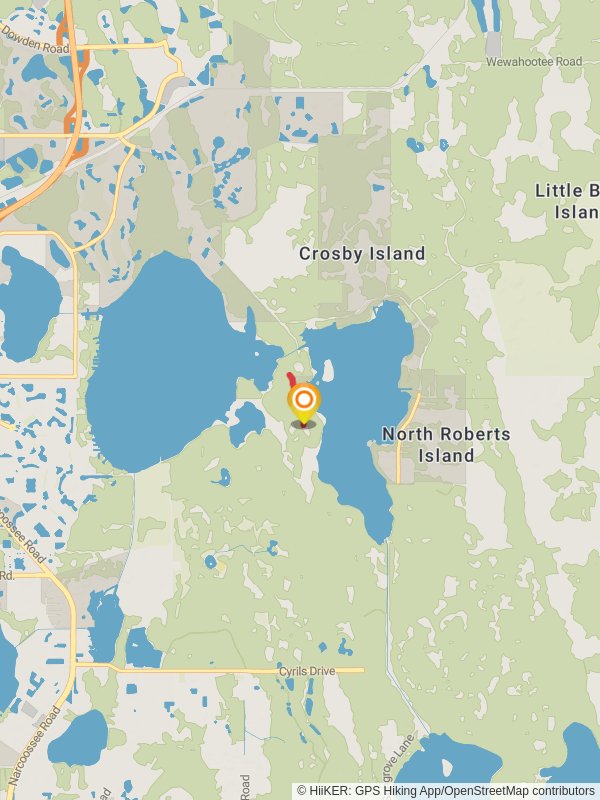
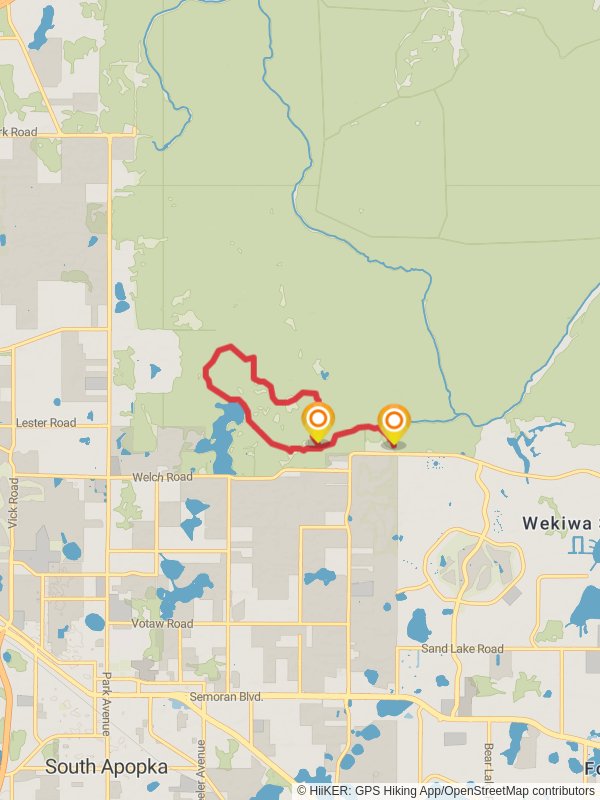
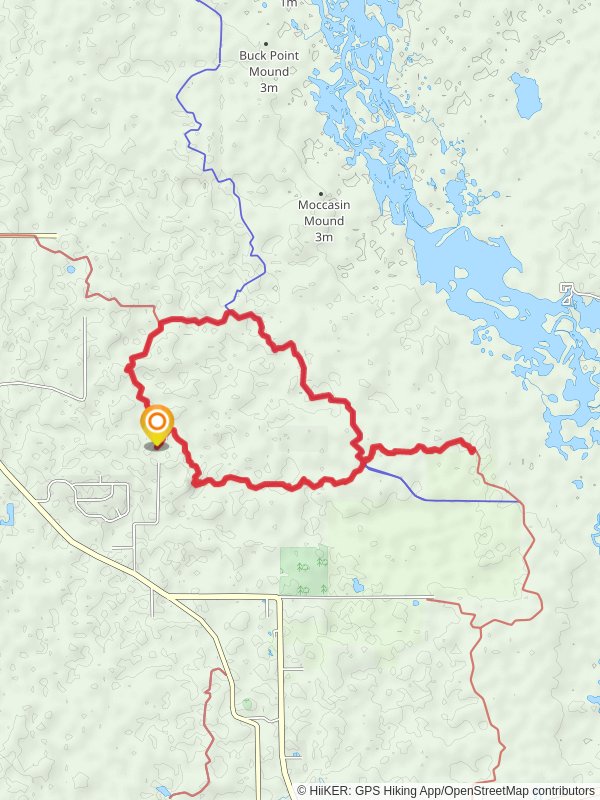
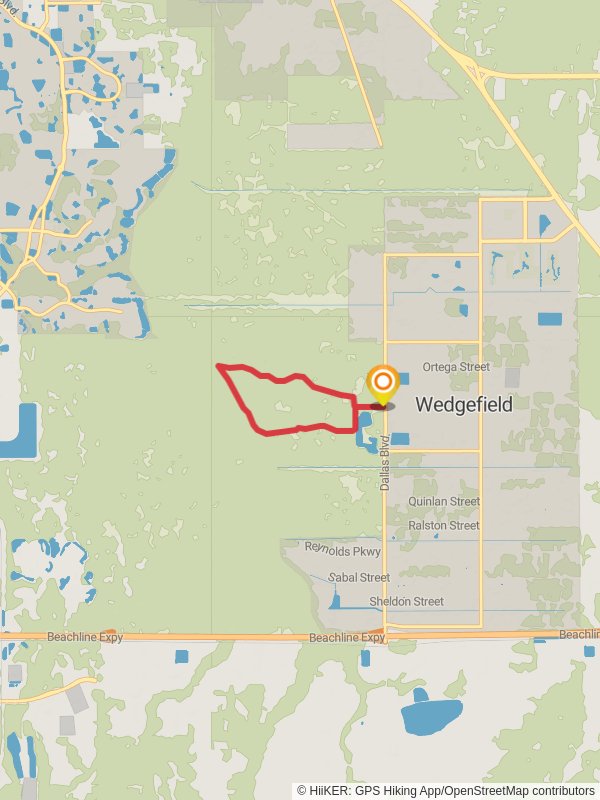
Best camping hiking trails in Orange County
Why stop at hiking when you can make it an overnight adventure? These camping-friendly trails are perfect for those who want to pitch a tent and sleep under the stars after a day of exploring.
Here are some great trails to explore in Orange County.
Most popular trails
Reviews for camping hiking trails in Orange County





Frequently asked questions for hiking trails in Orange County

Florida’s climate varies significantly by season, impacting the hiking experience. Winters (Dec-Feb) offer mild temperatures and low humidity, providing ideal hiking conditions. In contrast, the summer (Jun-Aug) is typically hot and humid, with frequent afternoon thunderstorms, which could disrupt outdoor activities.
In the spring (Mar-May) and fall (Sep-Nov), temperatures are moderate, but these seasons see increased rainfall. This might require waterproof gear for hikers, but also presents opportunities to enjoy Florida's lush vegetation and wildlife in full bloom.
The best time to hike in Florida is generally the winter, due to the comfortable climate and lower chances of rain. However, any season can provide a unique and enjoyable hiking experience if hikers are prepared for the weather conditions. For more information, consider resources like the [Florida State Parks website](https://www.floridastateparks.org).
In the spring (Mar-May) and fall (Sep-Nov), temperatures are moderate, but these seasons see increased rainfall. This might require waterproof gear for hikers, but also presents opportunities to enjoy Florida's lush vegetation and wildlife in full bloom.
The best time to hike in Florida is generally the winter, due to the comfortable climate and lower chances of rain. However, any season can provide a unique and enjoyable hiking experience if hikers are prepared for the weather conditions. For more information, consider resources like the [Florida State Parks website](https://www.floridastateparks.org).

In Florida, hiking generally doesn't require special permits, though some state and national parks may require entrance fees or camping permits. It's recommended to check specific regulations with the relevant authority, like Florida State Parks or the National Park Service. Online portals such as [Florida State Parks](https://www.floridastateparks.org) or [Recreation.gov](https://www.recreation.gov) provide information and permit booking facilities.

Wild camping in Florida is typically restricted to designated camping areas within state and national parks. It's generally illegal to camp outside of these areas. Regulations and restrictions may vary, so it's advisable to check with [Florida State Parks](https://www.floridastateparks.org) or [National Park Service](https://www.nps.gov/state/fl/index.htm) for specific information before setting up camp.

In case of emergencies while hiking in Florida, call 911, which can dispatch a local Search and Rescue team. For non-emergencies or planning purposes, consider connecting with organizations like the Florida Search and Rescue ([FLSAR](http://floridasar.org/)) who coordinate rescue efforts in wilderness areas across the state.

Florida's diverse ecosystems offer hikers a chance to encounter varied flora, from coastal mangroves to inland pine forests and wetland sawgrass. Be aware, however, of plants like poison ivy or invasive species that can affect your hike. For more detailed information, consult resources like the [Florida Native Plant Society](https://www.fnps.org/).

Hiking in Florida introduces travelers to diverse wildlife, from alligators in wetlands to panthers in woodland areas. Mosquitoes and ticks are common insects, so repellent is recommended. For more information on wildlife and safety measures, the [Florida Fish and Wildlife Conservation Commission](https://myfwc.com/) is a helpful resource.
More trails in Orange County
by difficulty
by type