
Best medium hikes in Cheshire East
Ready for a bit more of a challenge? These medium-difficulty hikes offer the perfect balance between effort and reward.
Here are some great hikes to explore in Cheshire East.
Most popular hikes
Reviews for medium hikes in Cheshire East

Shelly Shakes It 🐚 · reviewed 5 months ago
On the 1st August 2025 I started this trail at mow cop - I managed 37.1km this day - absolutely stunning views from mow cop, met lots of dark animals along the way, the elevations at the cloud made it more difficult but what a view when I got to the top. I saw so so much is Staffordshire’s history, parts of rudyard and the lake I didn’t know were there, churnet valley and the water way walk along consall is also stunning. Advice - I walked on a fair and average British weather day, there was one bout of a heavy rain shower, nothing too sloppy or dangerous underfoot but can imagine there would be just one or two small boggy areas to navigate around if rainfall had been heavy the few days before. I had to go through multiple fields at different stages with live cattle and all but one field the cattle were calm and unbothered. Also, on the way to the cloud near tillingsdale, the public right of way access has been deferred by a house which has bricked up next to the stream and completely blocked the area with multiple pieces of barbed wire, however it is easily navigated by returning to the previous field and heading up the hill towards the row of houses to find a hidden stye tucked in the corner next to the ends house back garden fence, through that field you can then rejoin the route. 10/10 I recommend. Commuting to any amount of distance at any part of this route - I’m working my way through the whole way route and honestly my breath was taken away at multiple parts of these stages. I am a novice hiker, I was able to cover 37.1 km on the first day, most under footing is easy to medium as a novice the elevations around the cloud I personally found harder and it set me back on time. But it was still achievable and very much worth it. I would suggest carrying light and essential, and consider walking in trail shoes as oppose to heavier boots - I used water proof altra trail runners and I haven’t got a single blister.

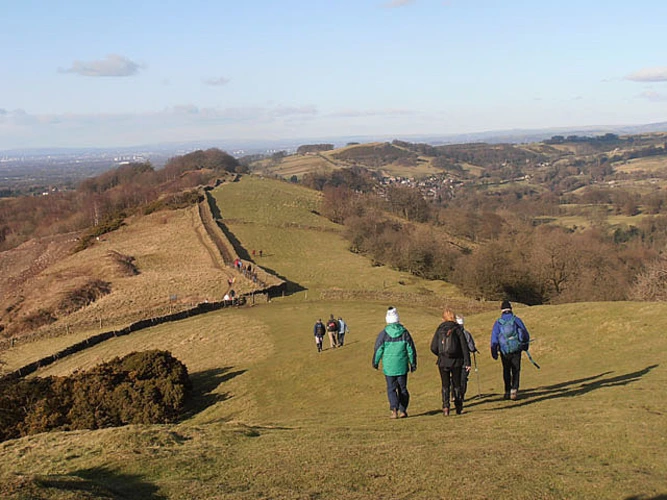
Manchester Walk from south of Macclesfield to Horwich
TundraBirchwanderer32 · reviewed about 1 year ago

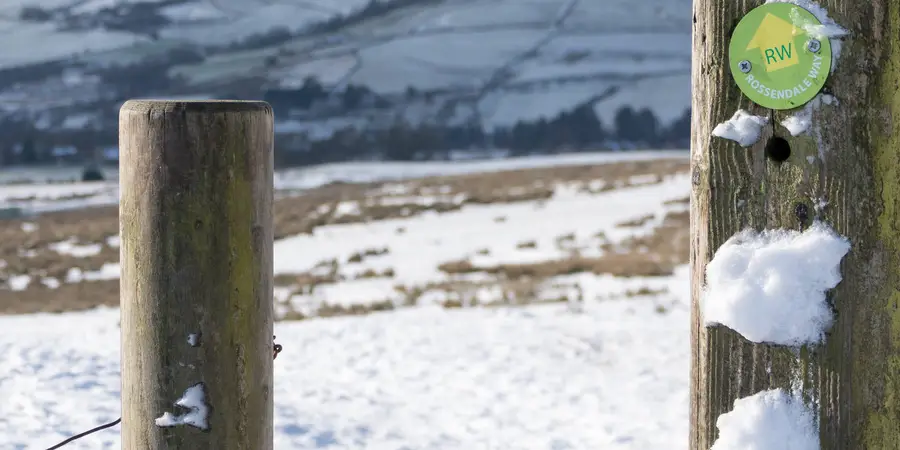
No reviews available for Rossendale Ramble.
Frequently asked questions for hikes in Cheshire East

Winter hiking (December to February) is more challenging due to short days and colder, often unpredictable weather. Snowfall can make some trails inaccessible. Always check the weather forecast and equip accordingly. Experienced hikers may enjoy the tranquility and stark beauty of the winter landscape.
Ultimately, the best time to hike in England depends on personal preferences and preparedness. England's official tourist site (https://www.visitengland.com/) provides in-depth information about various hiking trails and their seasonal characteristics. Be sure to research specific areas as climate can vary across the country.


