1 of 47 parks in Canada · Number of Hiking trails: 0 · 76,481.31 km²
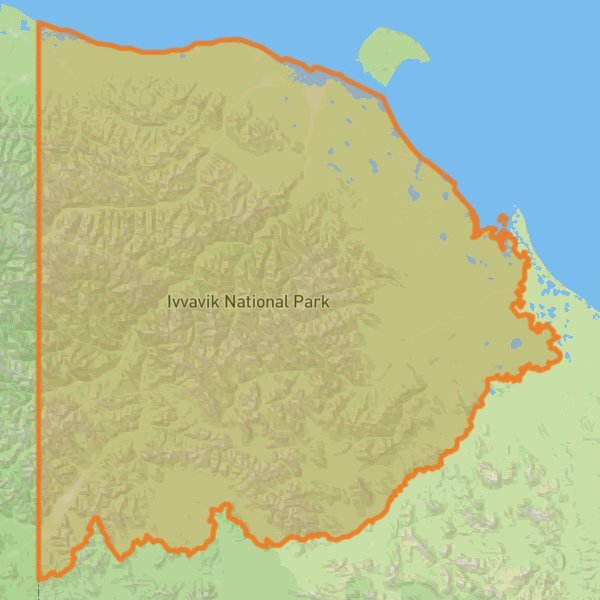
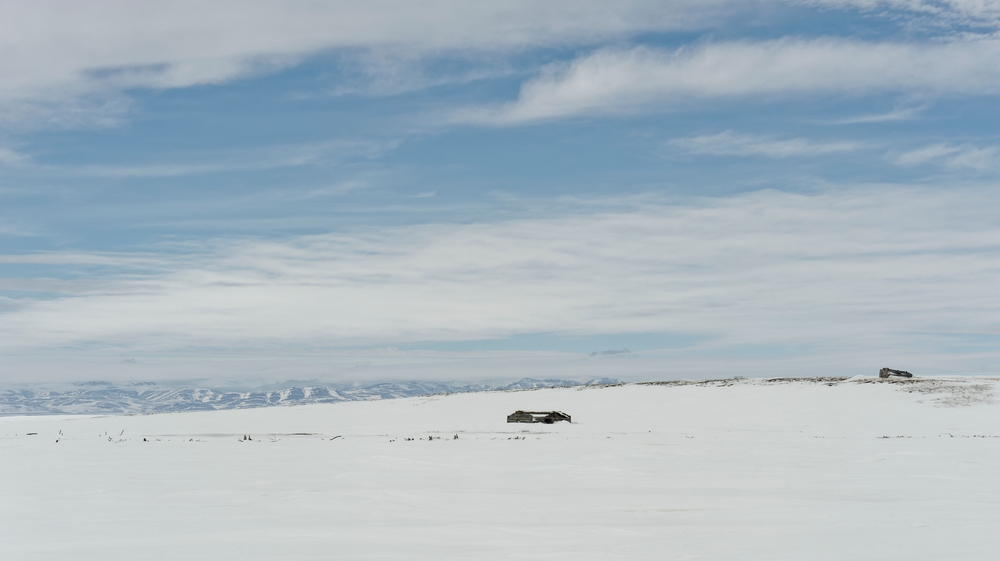
Ivvavik National Park is located in Canada’s northern Yukon territory, near the Beaufort Sea. This remote and pristine wilderness park is approximately 200 kilometers north of Inuvik, the nearest community, and lies close to the Alaskan border. Established in 1984, Ivvavik was the first national park in Canada to be created as a result of an Indigenous land claim agreement. It is co-managed by Parks Canada and the Inuvialuit, who have lived in the region for millennia. The park offers no formal parking facilities, as access to Ivvavik is largely by air. Visitors typically fly from Inuvik to the park by charter plane, landing at a designated airstrip. There are no roads, and wilderness camping is the primary accommodation. Visitors must obtain a permit before entering the park, and guided trips are often recommended due to its remote nature. Wildlife in Ivvavik includes iconic Arctic species. The park is a critical calving ground for the Porcupine caribou herd, one of the largest herds in North America. Other notable animals include grizzly bears, wolves, Dall sheep, Arctic foxes, and golden eagles. Marine mammals like beluga whales can sometimes be seen along the coast. The flora of Ivvavik is typical of the Arctic tundra, with hardy plants adapted to the harsh climate. Mosses, lichens, dwarf birch, willows, and various wildflowers such as Arctic poppies and purple saxifrage thrive in this northern environment. Ivvavik is defined by stunning geological features, including the rolling Firth River Valley, jagged peaks, and rugged coastlines. The Firth River, a key feature, is known for its rapids and has become a popular destination for wilderness rafting. Due to its isolation, no public transportation serves Ivvavik National Park. Visitors rely on air charters from Inuvik for park access, emphasizing the park’s untouched and remote wilderness character.
Read more
Parking: Available
Total spaces:
Opening hours:

There are public restrooms available in Ivvavik National Park of Canada