
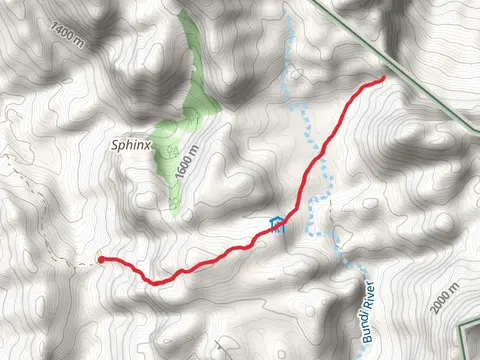
"Experience Zimbabwe's breathtaking landscapes and vibrant ecosystems on diverse, unforgettable hiking adventures."
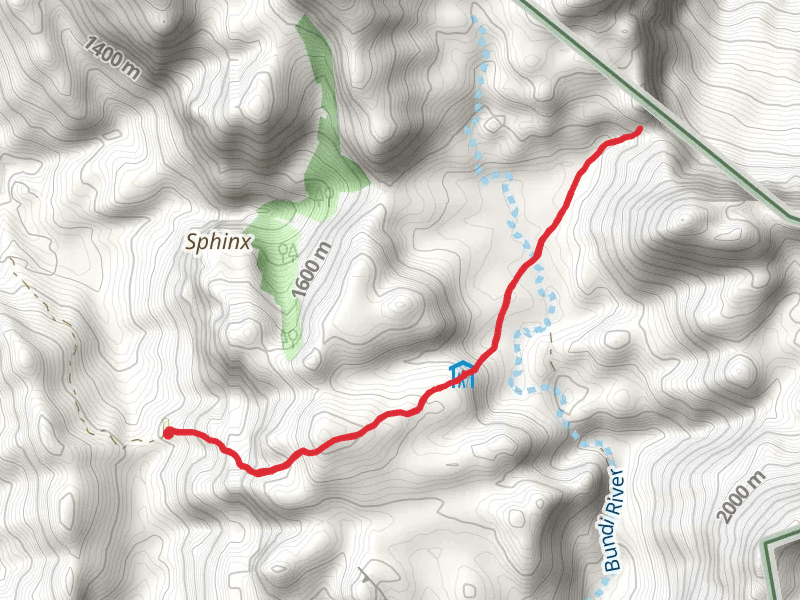
Hiking in Zimbabwe is defined by the rugged skyline of the Chimanimani Mountains, where quartzite ridges, deep valleys, and weather-cut passes create some of southern Africa's most striking mountain terrain. Near the Mozambique border, routes around Base Camp, The Hut, and Skeleton Pass reveal a harsher, wilder side of Zimbabwe that feels remote, dramatic, and deeply rewarding on foot.
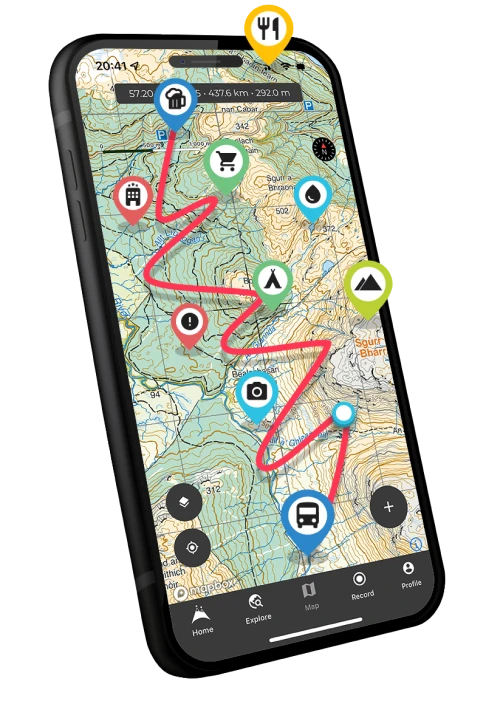
Be prepared for hiking in Zimbabwe with the HiiKER app



Most popular hikes in Zimbabwe

FAQs about hiking in Zimbabwe
Zimbabwe’s climate presents hot conditions throughout much of the year, with a distinct wet season from November to March. These months often bring heavy rains and possible cyclones, creating potentially hazardous hiking conditions due to muddy trails and limited visibility.
The period from April to October, Zimbabwe's dry season, offers better conditions for hiking. These months yield milder temperatures, less rainfall, and clearer paths, enhancing hiking experiences.
Hikers, however, should stay updated with weather conditions, as they can rapidly change. The Meteorological Services Department of Zimbabwe http://www.zim.gov.zw/index.php/en/my-government/government-ministries/statutory-boards/434-meteorological-services-department-of-zimbabwe provides current forecasts, helping hikers plan their journeys safely and effectively.
For hiking in Zimbabwe's national parks, permits are required. They can be acquired through Zimbabwe Parks and Wildlife Management Authority's offices or at the park entrances. The Authority's website https://www.safaribookings.com/zimbabwe/parks provides additional information, ensuring hikers comply with necessary regulations while exploring Zimbabwe's natural landscapes.
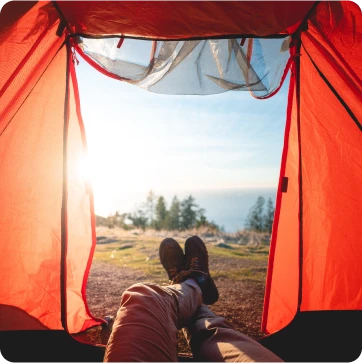
Wild camping in Zimbabwe is typically restricted to specific designated camping areas within national parks and protected areas. It's managed by the Zimbabwe Parks and Wildlife Management Authority https://www.safaribookings.com/zimbabwe/parks , and hikers are urged to abide by these rules to safeguard the country's environmental health.

n emergencies, hikers in Zimbabwe can contact the Emergency Services on 999 or 112. The Zimbabwe Republic Police, alongside other agencies, respond to rescue operations. It's also advisable to connect with local hiking clubs like Mountain Club of Zimbabwe https://www.rescue.org/country/zimbabwe and https://www.nationalparkrescue.org/tag/zimbabwe/ for additional safety support and advice.

Zimbabwe's diverse ecosystems offer a plethora of flora. Hikers can encounter baobab trees in low-lying areas and miombo woodlands in the highveld. It's important to identify and avoid poisonous plants. The Flora of Zimbabwe project's website (https://www.zimbabweflora.co.zw/) is a helpful resource for plant information.

Zimbabwe's rich wildlife includes elephants, lions, and various bird species. However, encounters with dangerous animals like snakes or large mammals can pose risks. Mosquitoes are common, so protection against malaria is essential. The Zimbabwe Parks and Wildlife Management Authority's website https://a-z-animals.com/animals/location/africa/zimbabwe/ provides further safety guidelines.