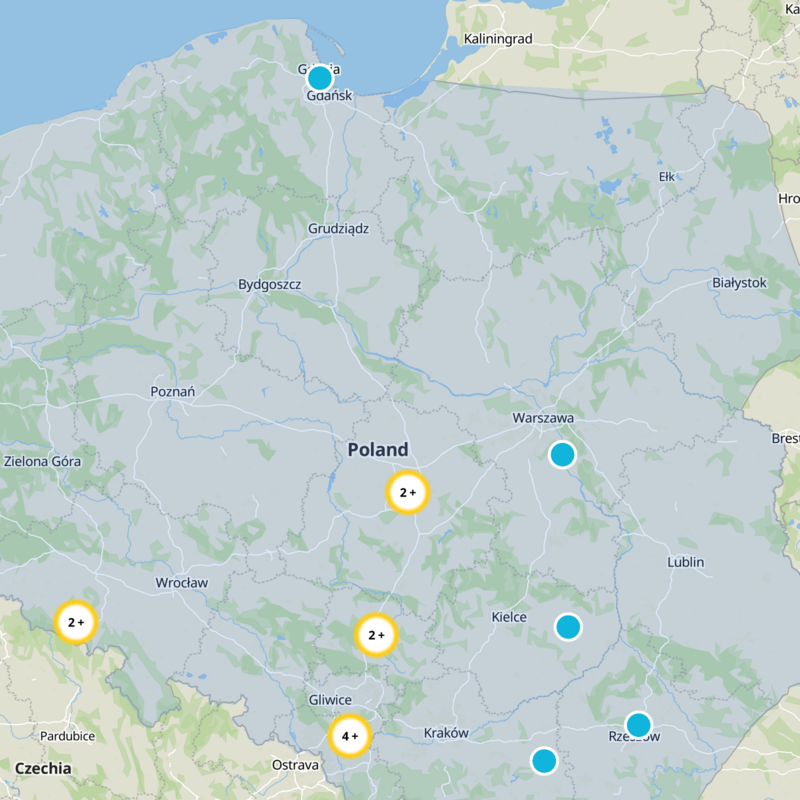


"Explore Poland's captivating trails through mystical mountains, serene forests, and charming villages."
Hiking in Poland means sharp alpine days in the Tatras, long ridge walking on the Main Beskid Trail, and castle-linked miles along the Orle Gniazda Trail. From Zakopane and Morskie Oko to the Sudety and Little Beskids near Bielsko-Biała, the country packs together high peaks, forested ranges, and historic routes that feel varied from one region to the next.
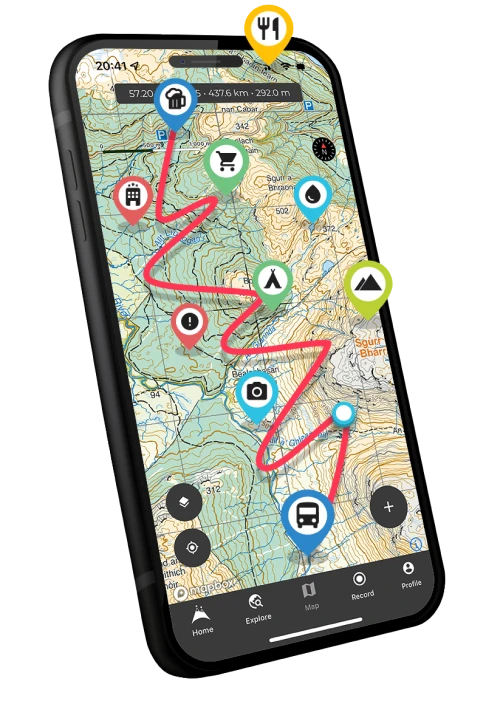
Be prepared for hiking in Poland with the HiiKER app



Most popular hikes in Poland






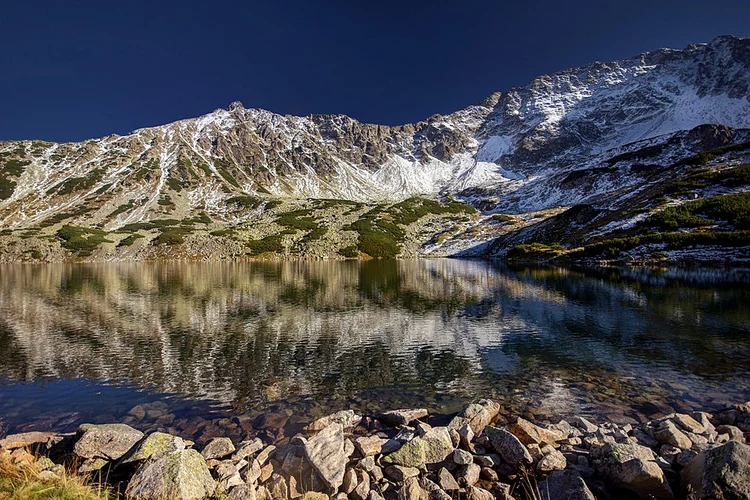

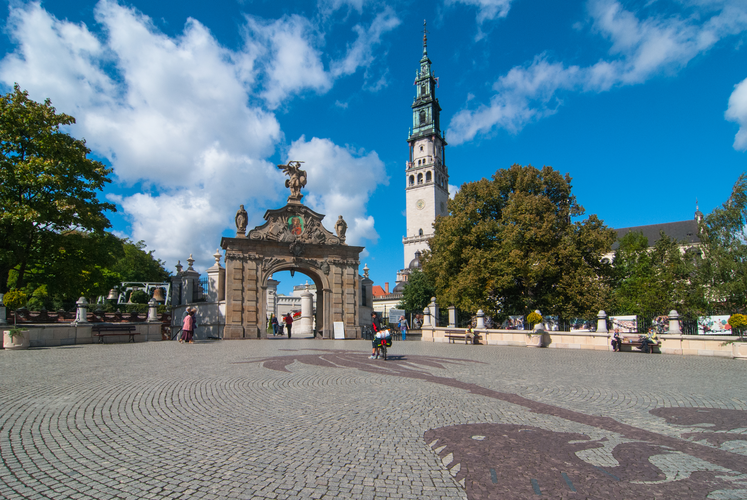

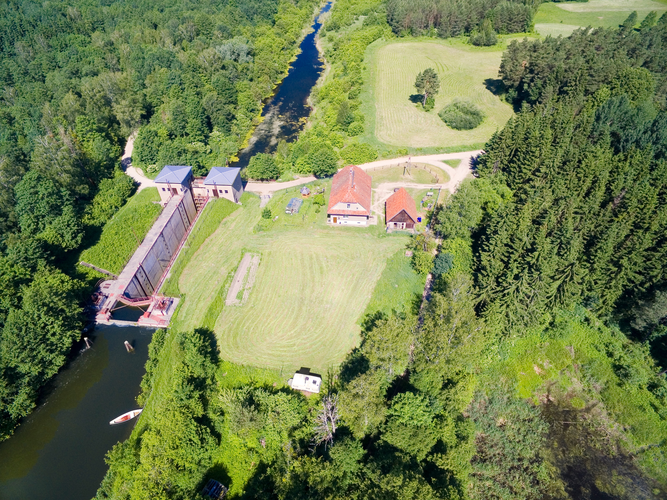

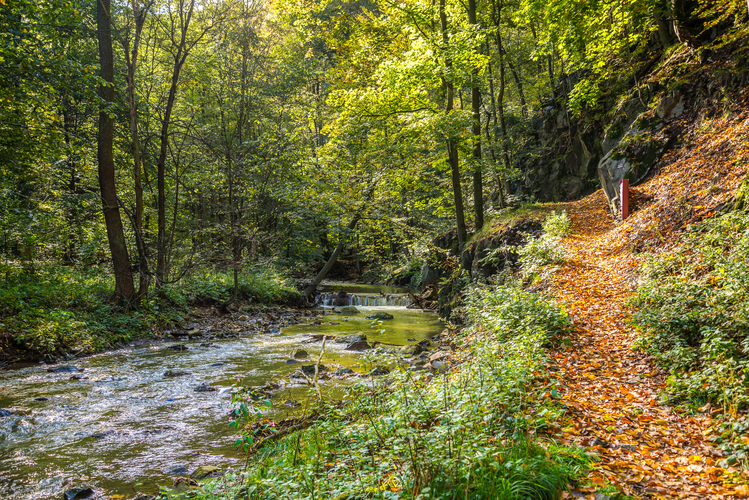

FAQs about hiking in Poland
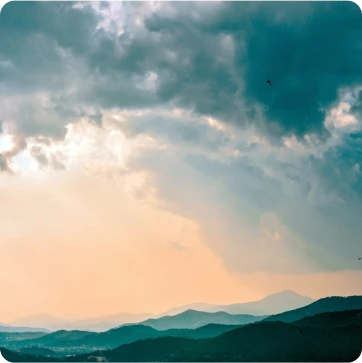
Poland's climate varies with cold winters and warm summers. Hiking is best from late spring (May) to early autumn (September). Winter hikes can be challenging due to snowfall, particularly in the mountainous south.
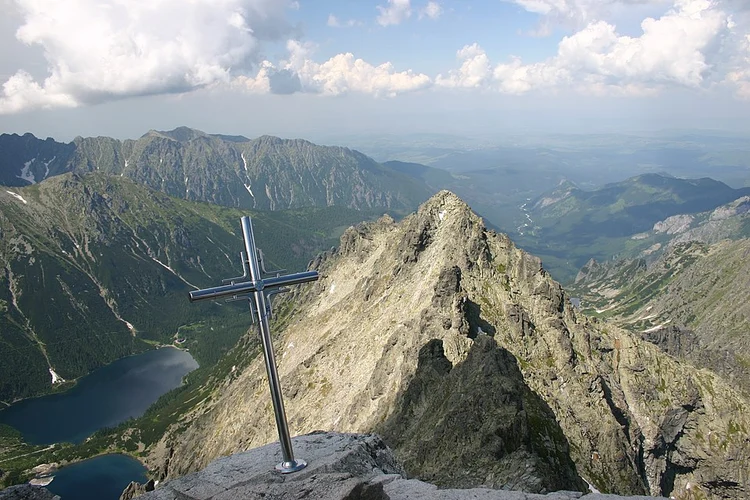
The summer months offer long daylight hours and pleasant temperatures. The Tatra and Bieszczady mountains are particularly stunning during this period.
Autumn sees vibrant foliage across Poland's landscapes but also more rainfall. Be prepared for wet trails. For accurate weather information, visit the Polish Institute of Meteorology and Water Management website.
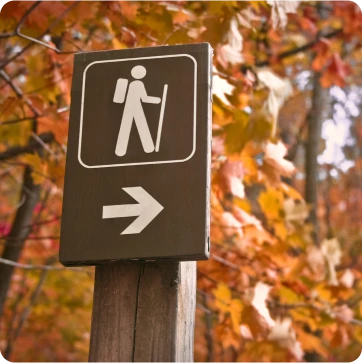
Generally, hiking in Poland doesn't require special permits, except for restricted areas in national parks. To access these, contact the respective National Park Authority for information and permits. To understand the rules better, visit the Polish Ministry of Environment website.
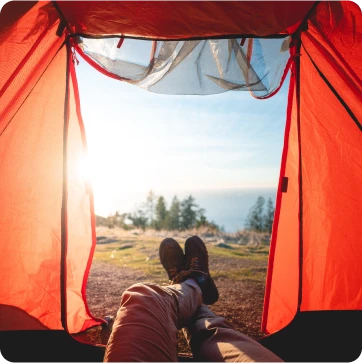
Wild camping in Poland is generally prohibited, especially in national parks. However, there are designated camping areas available. Be sure to research your intended camping area and respect the environment. For further information, consider checking Polish National Parks regulations.

In Poland, the Mountain Volunteer Search and Rescue (GOPR) is the primary emergency agency for hikers. Reach them at emergency number 985, but note this only works from Polish networks. Always inform someone about your hiking plans. Visit the GOPR site for further information.
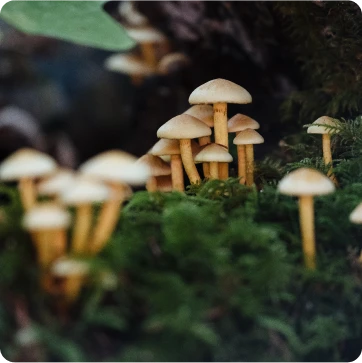
Poland's hiking trails reveal varied flora: in lowlands, encounter mixed forests with oak, beech, and pine, while in mountains like the Tatra, explore unique alpine vegetation. National parks protect many endemic species. Visit Poland's https://www.poland.travel/en/discover/national-parks for detailed botanical information.
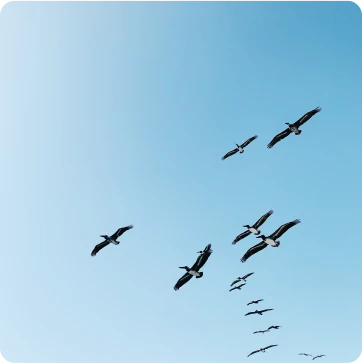
Poland's vast forests harbor diverse wildlife. Hikers might spot deer, boars, or rare encounters like European bisons in Białowieża Forest. Insects, including mosquitoes, ticks, and bees, are common in warmer seasons. The Polish Biodiversity Information Network provides an overview of Poland's fauna.
