Download
3D Flyover
Add to list
More
42.4 km
~2 days
2171 m
Loop
“Experience breathtaking vistas and diverse ecosystems on a challenging adventure through New Hampshire's White Mountains.”
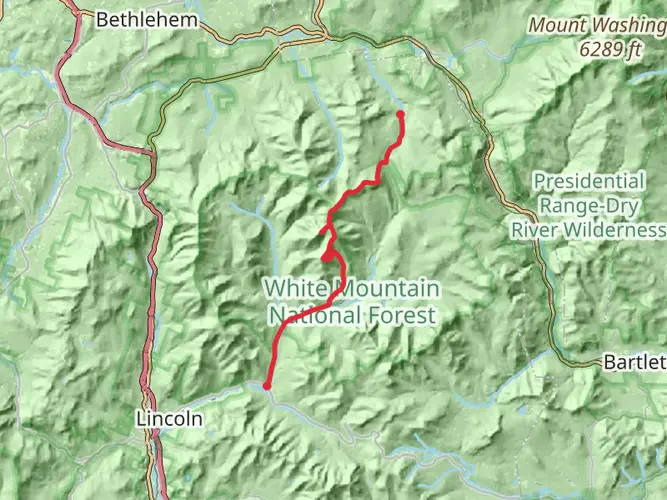
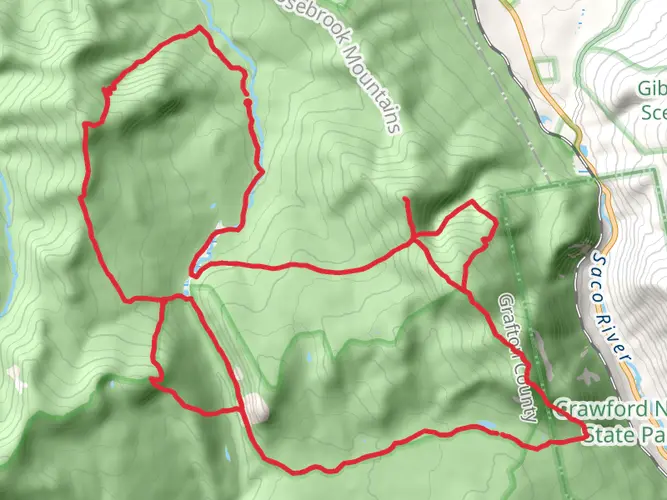
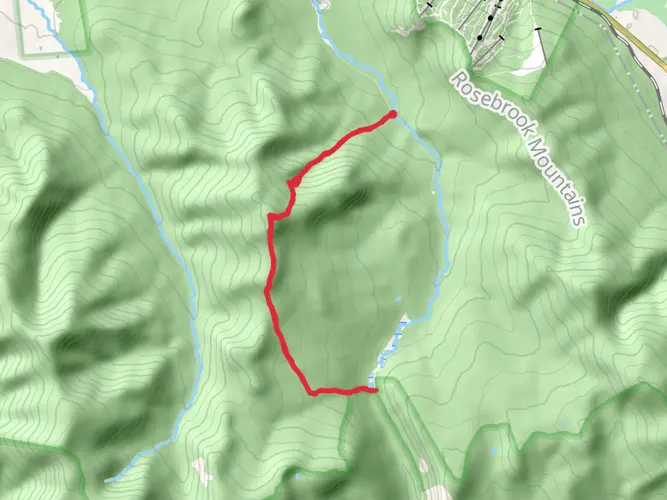
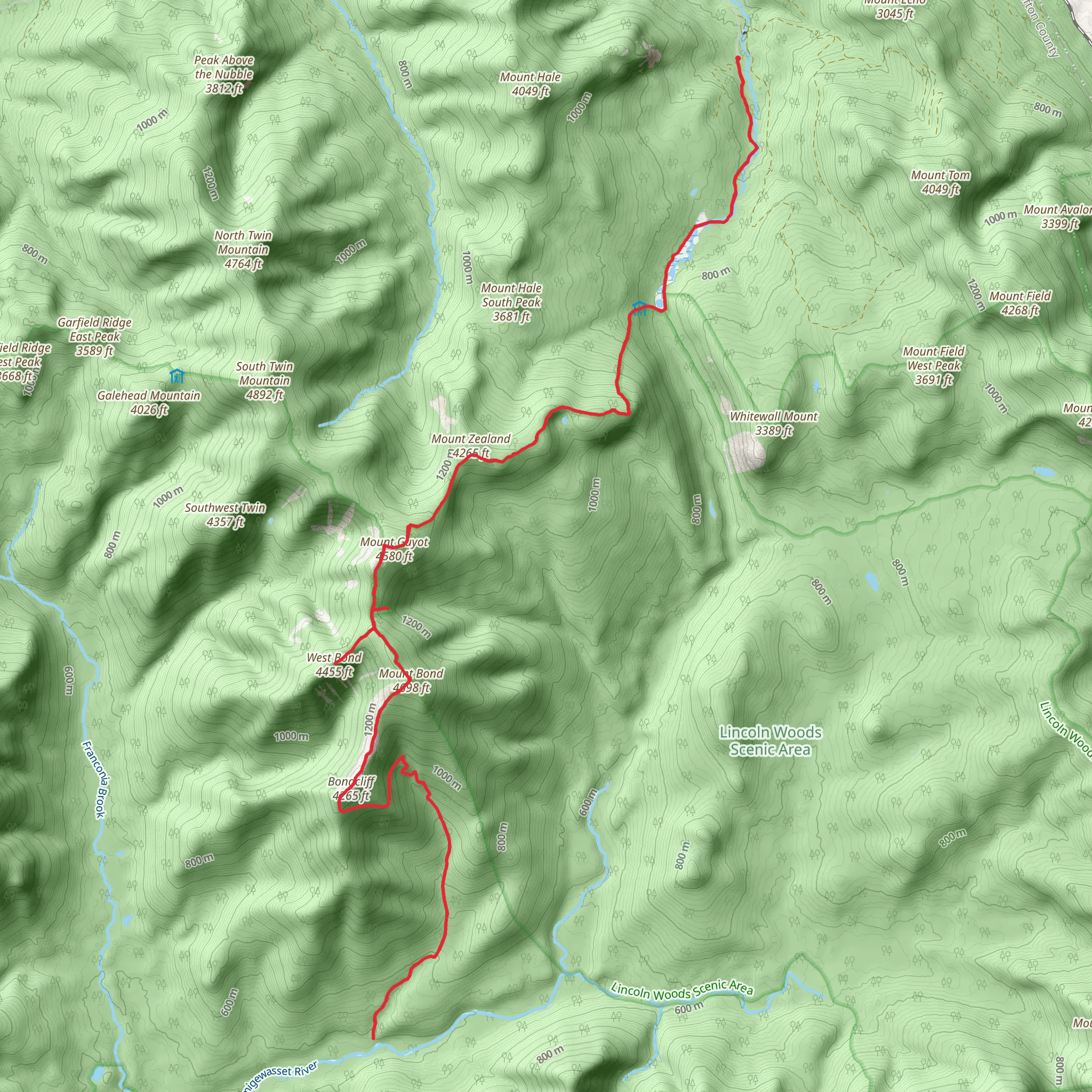
Nestled in the heart of the White Mountains, the Mount Guyot and Black Brook loop offers a challenging yet rewarding adventure for seasoned hikers. Spanning approximately 42 kilometers (about 26 miles) with an elevation gain of around 2100 meters (nearly 6900 feet), this trail promises breathtaking vistas, diverse ecosystems, and a touch of history.
Getting There
The trailhead is conveniently located near Grafton County, New Hampshire. For those driving, you can reach the starting point by heading towards the town of Lincoln, NH. From there, follow the signs to the Lincoln Woods Visitor Center, which serves as a popular access point for many trails in the area. If you're relying on public transport, the nearest major hub is the town of Lincoln, accessible via regional bus services. From Lincoln, a short taxi ride or local shuttle can bring you to the trailhead.
Trail Highlights
Mount Guyot
As you embark on this loop, one of the first major highlights is Mount Guyot. Standing at an elevation of 1,396 meters (4,580 feet), this peak offers panoramic views of the surrounding White Mountains. The ascent is steep and demanding, but the reward is a sweeping vista that captures the rugged beauty of the region. Keep an eye out for the alpine flora that thrives at this altitude, including rare species like the mountain sandwort and alpine azalea.
Black Brook
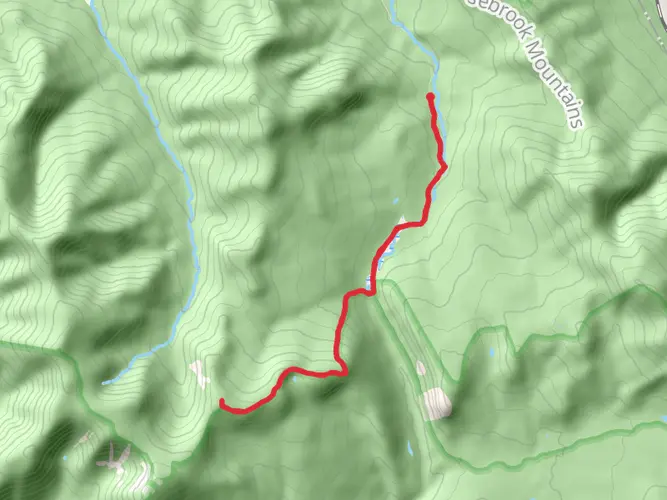
Descending from Mount Guyot, the trail meanders alongside Black Brook, a serene waterway that provides a refreshing contrast to the rugged mountain terrain. This section of the trail is particularly picturesque, with the brook's gentle cascades and pools offering opportunities for rest and reflection. The sound of the flowing water and the lush greenery create a tranquil atmosphere, perfect for a midday break.
Flora and Fauna
The trail traverses a variety of ecosystems, from dense hardwood forests to alpine zones. In the lower elevations, you'll encounter a mix of maple, birch, and beech trees, providing a vibrant display of colors in the fall. As you climb higher, the forest gives way to spruce and fir, and eventually to the hardy plants of the alpine zone. Wildlife is abundant, with chances to spot white-tailed deer, black bears, and a variety of bird species, including the elusive Bicknell's thrush.
Historical Significance
The White Mountains have a rich history, with Mount Guyot named after Arnold Henry Guyot, a prominent 19th-century geographer and geologist. The area was once a hub for logging and mining, and remnants of these industries can still be found along the trail. Old logging roads and abandoned equipment serve as reminders of the region's industrial past, offering a glimpse into the lives of those who once worked these rugged lands.
Navigation and Safety
Given the trail's difficulty rating, it's essential to come prepared. The loop's remote sections require reliable navigation tools, and HiiKER is an excellent resource for detailed maps and trail information. Weather in the White Mountains can be unpredictable, so pack accordingly with layers, rain gear, and sufficient food and water. Always inform someone of your plans and estimated return time, and be aware of the potential for sudden weather changes, especially at higher elevations.
Embarking on the Mount Guyot and Black Brook loop is a journey through some of New Hampshire's most stunning landscapes, offering both physical challenge and natural beauty.
What to expect?
Activity types
Comments and Reviews
User comments, reviews and discussions about the Mount Guyot and Black Brook, New Hampshire.
average rating out of 5
0 rating(s)