Download
3D Flyover
Add to list
More
7.2 km
~1 hrs 26 min
0 m
Loop
“A gentle Dutch loop of dikes, reed-lined canals and big skies—best enjoyed on a calm, dry day.”
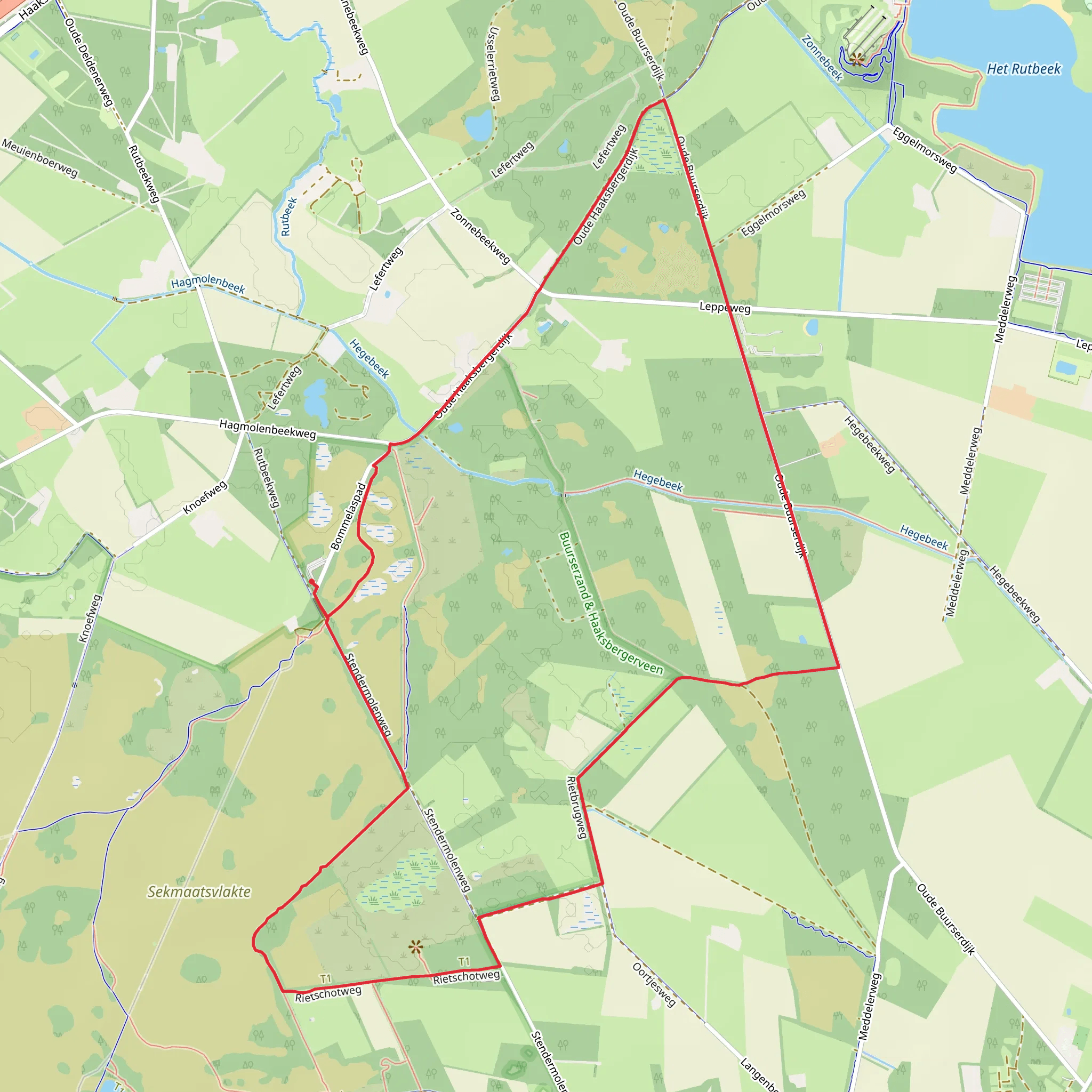
A flat, low-effort loop of about 7 km (4.3 mi) with essentially 0 m (0 ft) of climbing, this walk is all about quiet Dutch countryside: straight dikes and farm lanes, drainage canals, small bridges, and big skies. Expect easy footing, minimal navigation complexity, and lots of open views—balanced by wind exposure and the occasional muddy verge after rain.
Getting to the start (car + public transport)
By car - Aim for the rural lanes around Oude Haaksbergerdijk and Rietbrugweg on the outskirts of Haaksbergen / Enschede (Overijssel, Netherlands). The most practical approach is to park near a safe pull-in by a junction on these roads or near a small bridge crossing a drainage canal (common local “anchor points” in this landscape). - If you prefer a more definite landmark to navigate to, set your destination to Haaksbergen town center first (easy to reach and well-signed), then drive outward toward Oude Haaksbergerdijk and Rietbrugweg and park where roadside parking is clearly permitted and does not block farm access.
By public transport - The simplest transit hub is typically Haaksbergen (bus connections from Enschede are common in this region). From central Haaksbergen, you can walk out to the loop start via local streets and farm lanes; depending on where you begin on Oude Haaksbergerdijk, add roughly 1–3 km (0.6–1.9 mi) each way. - Use HiiKER to pinpoint the exact start point on Oude Haaksbergerdijk and choose the closest bus stop for the shortest approach walk.
What the route feels like underfoot
Because the elevation change is negligible, the “difficulty” comes down to surfaces and weather: - Roadside paths / farm lanes: Often compacted gravel, brick, or asphalt segments. Easy on navigation, but watch for occasional fast-moving local traffic on narrow lanes. - Field-edge tracks: Can be firm in dry spells and soft or slick after rain, especially where tractors have churned the margins. - Bridges and culverts: Small crossings over drainage ditches are frequent; they’re straightforward but can be slippery with algae in damp months.
Plan on 1.5–2.5 hours of walking time for most hikers at a relaxed pace, plus stops.
Landmarks, landscape, and the “why it looks like this”
This part of Overijssel is shaped by centuries of land reclamation, drainage management, and agricultural use. The straightness of many lanes and ditches isn’t accidental: it reflects the Dutch tradition of organizing wet lowlands into workable parcels using canals, dikes, and controlled water levels. Roads like Oude Haaksbergerdijk often follow slightly raised ground or engineered embankments—subtle, but enough to keep routes passable when surrounding fields are saturated.
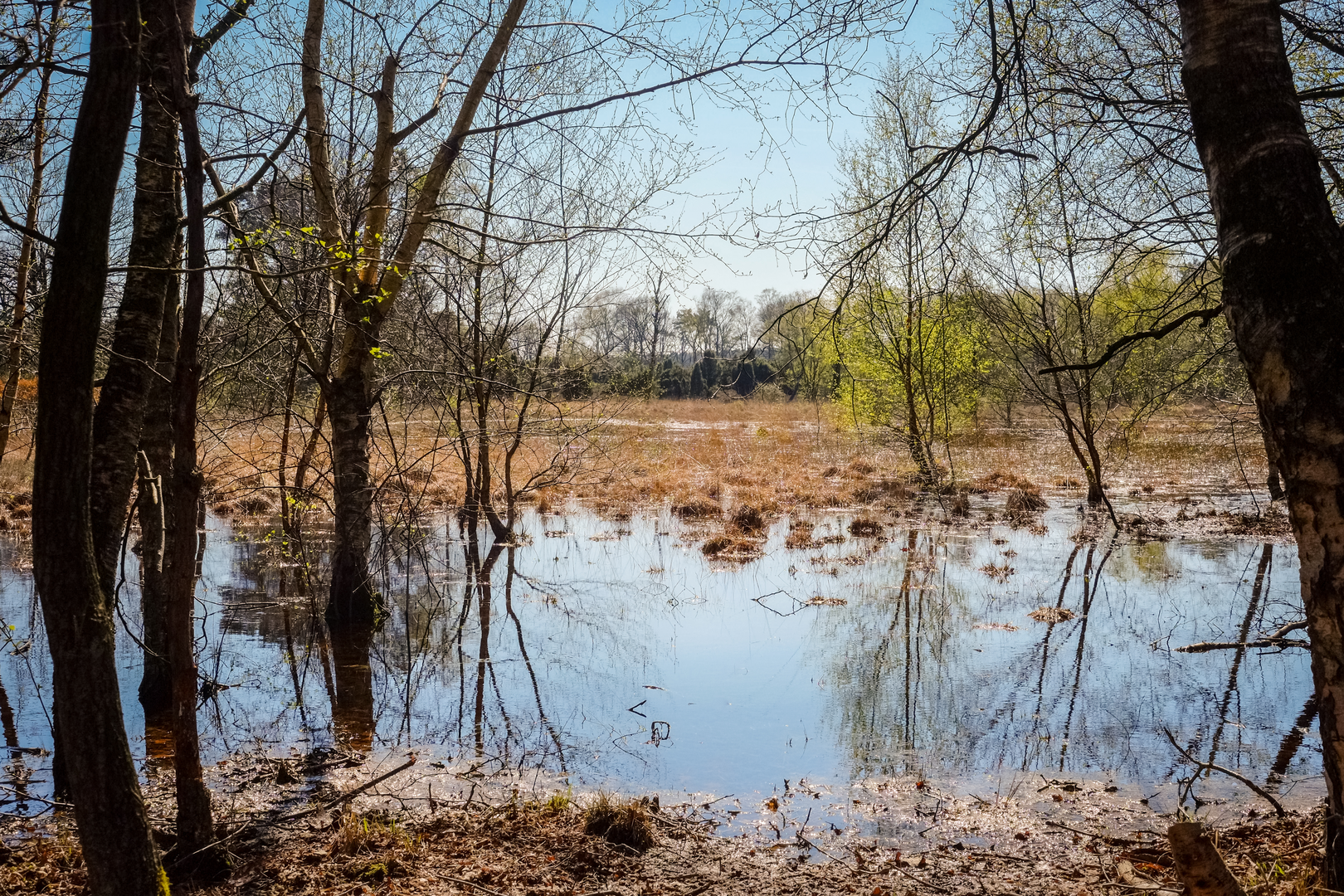
Along the loop you’ll typically notice: - Drainage canals and ditches running arrow-straight beside the road. - Small bridges (the “rietbrug” name hints at reed-lined waterways and crossings). - Farmsteads and barns set back from the lane with windbreak trees. - Reed beds and wet margins where water sits close to the surface—excellent for birds.
Historically, the broader Twente/Haaksbergen area has long been a borderland of sorts—rural, industrious, and shaped by farming and later regional industry—while the countryside retained its patchwork of fields, hedgerows, and managed water.
Nature and wildlife to look out for
Even on a short, flat loop, the biodiversity can be surprisingly good because water edges create habitat variety.
Birdlife (most noticeable year-round) - Water-associated birds along ditches and reed edges: ducks, coots, moorhens, and herons are common sights. - Open-field species: look for raptors (buzzards/kestrels) hovering or perched on poles scanning the verges. - In spring and early summer, you may hear a lot more than you see—songbirds in hedgerows and reed beds.
Mammals and smaller wildlife - Hares and rabbits are often active at field edges, especially early and late in the day. - Frogs and other amphibians may be present near wetter sections; watch your step on narrow grassy margins.
Plants - Expect reeds, rushes, and wetland grasses near water, with hedgerow shrubs and occasional mature trees around farm plots.
Route breakdown with approximate distances
Because this is a loop on rural lanes, think of it in quarters—easy to shorten if weather turns.
0.0–1.5 km (0.0–0.9 mi): Settling in on the dike road
- You’ll start on a quiet lane with ditches close by. This is the most “exposed” feeling part—wind can be noticeable even on mild days.
- Keep an eye out for the first small bridge/culvert crossings; they’re good confirmation points on HiiKER.
1.5–3.5 km (0.9–2.2 mi): Field edges and long sightlines
- The landscape opens up: long straight segments, big skies, and a steady rhythm.
- If the verge is muddy, stay on the firmest line and avoid stepping onto soft canal edges (they can slump).
**3.5–5.5 km (2.2–3.4 mi): Rietbrugweg character—water, reeds
Surfaces
Asphalt
Sand
Unknown
Unpaved
Ground
Comments and Reviews
User comments, reviews and discussions about the Oude Haaksbergerdijk and Rietbrugweg Loop, Netherlands.
average rating out of 5
0 rating(s)
