Download
3D Flyover
Add to list
More
120.8 km
12 days
7283 m
Multi Day
“Carving through wild peaks and storied valleys, the Alta Via 1 dazzles with challenge, beauty, and legend.”
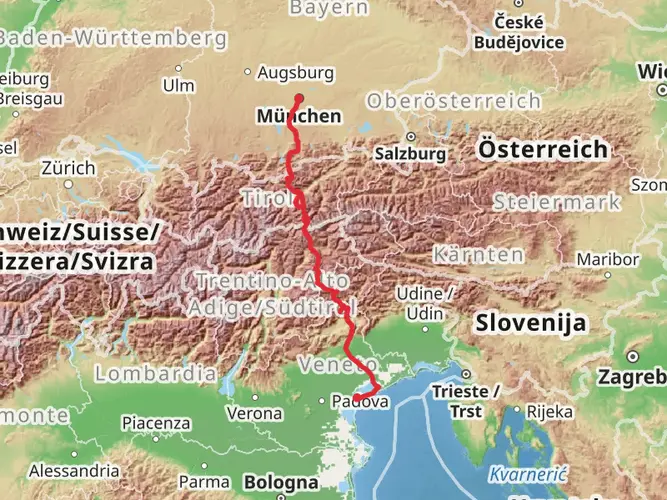
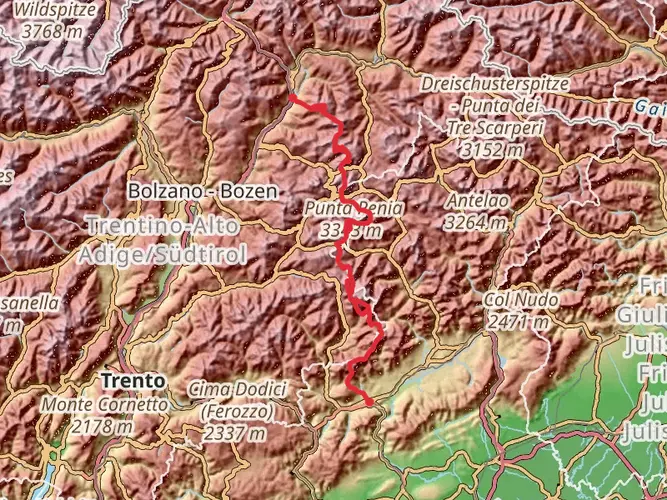
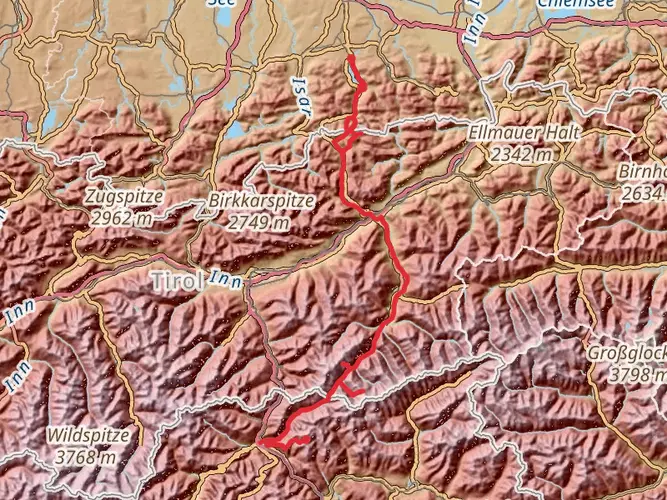
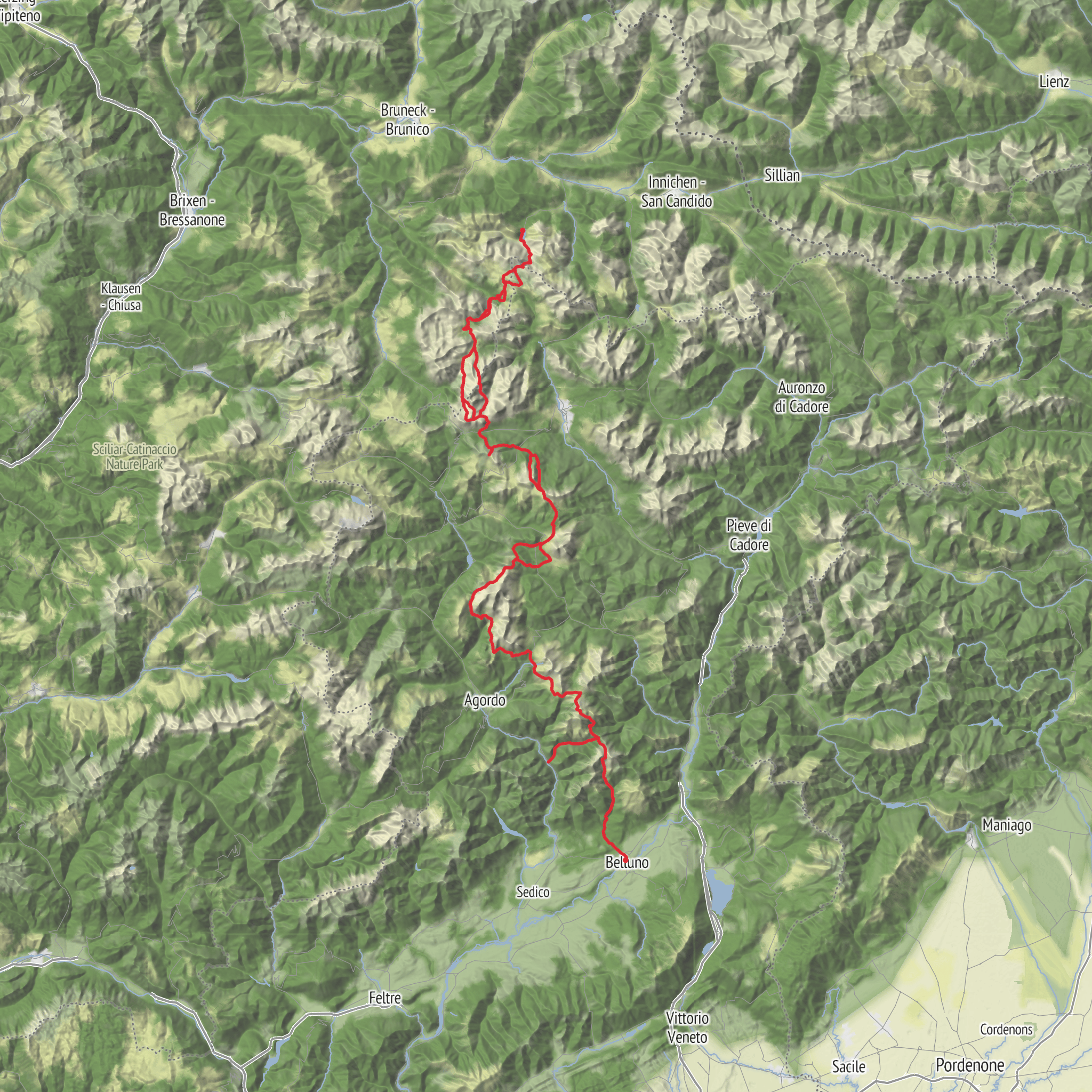
Starting near the picturesque village of Lago di Braies in the Puster Valley (Val Pusteria), the Alta Via 1 is a legendary long-distance trek that carves a dramatic path through the heart of the Dolomites, finishing at La Pissa, just outside Belluno. Spanning approximately 111 km (69 miles) with a formidable elevation gain of about 5,900 meters (19,350 feet), this point-to-point route is renowned for its challenging terrain, breathtaking scenery, and deep historical roots.
Getting There
Travelers can reach Lago di Braies, the trailhead, by taking a train to Villabassa/Niederdorf from major cities like Bolzano or Innsbruck, then connecting via local bus to the lake. For those arriving by car, parking is available at Lago di Braies, though spaces fill quickly in peak season. The endpoint at La Pissa is accessible by bus to Belluno, which connects to regional train lines.
Trail Overview and Preparation
The Alta Via 1 is classified as Extra Difficult, demanding strong fitness, sure-footedness, and experience with exposed alpine paths. The route is typically completed in 8–12 days, with daily distances ranging from 8 to 20 km (5–12 miles) and elevation gains that can exceed 1,000 meters (3,280 feet) in a single day. Hikers should be prepared for steep ascents, rocky descents, and occasional snowfields, even in summer. Overnight stays are possible in mountain rifugi (huts), which require advance booking during the busy season.
Landmarks and Natural Wonders
Lago di Braies: The journey begins at this iconic turquoise lake, framed by towering limestone peaks—a favorite for photographers and a sacred site in local Ladin legends.
Croda del Becco and Fanes-Sennes-Braies Nature Park: Early stages climb through forests and alpine meadows, with panoramic views of Croda del Becco (Seekofel) and the wild plateaus of Fanes, home to marmots, chamois, and golden eagles.
Cinque Torri and WWI History: Around the halfway mark, the trail skirts the famous Cinque Torri rock towers, a natural wonder and open-air museum of World War I trenches and tunnels. The Dolomites were a fierce front line, and remnants of Italian and Austro-Hungarian fortifications are visible along the route.
Passo Giau and Monte Pelmo: The high mountain pass of Giau offers sweeping vistas of Monte Pelmo and Monte Civetta, two of the Dolomites’ most imposing peaks. Wildflowers blanket the meadows in early summer, and ibex are often spotted on rocky outcrops.
Dolomiti Bellunesi National Park: The southern section enters this UNESCO World Heritage area, a sanctuary for rare flora and fauna. Dense forests, deep valleys, and dramatic cliffs define the landscape, with the final descent offering glimpses of the Venetian plains.
Navigation and Safety
The Alta Via 1 is well-marked with red-and-white paint flashes and signposts, but fog, storms, and snow can obscure the path. Carry a detailed map and use HiiKER for up-to-date GPS navigation and trail alerts. Weather can change rapidly; pack for cold, wet, and windy conditions, even in July and August.
Wildlife and Flora
Expect encounters with alpine wildlife such as marmots, chamois, and, with luck, the elusive ibex. The region is rich in wildflowers—edelweiss, gentians, and alpine roses—especially in early summer. Birdlife includes golden eagles, nutcrackers, and black grouse.
Cultural and Historical Significance
The Dolomites are steeped in history, from ancient Ladin legends to the scars of World War I. Many rifugi were originally military outposts, and the landscape is dotted with memorials and restored trenches. The region’s unique geology, with its pale limestone towers, has inspired artists, climbers, and poets for centuries.
Logistics and Essentials
Plan for variable weather, limited resupply points, and long stretches between huts. Carry cash for rifugi, as card payments are not always accepted. Water sources are generally reliable but can dry up in late summer—refill at huts whenever possible. Early booking of accommodation is essential, especially in July and August.
The Alta Via 1 is a demanding but unforgettable journey through one of Europe’s most spectacular mountain landscapes, offering a blend of natural beauty, wildlife, and living history at every turn.
AI Planner
Days planned around your pace, with somewhere to stay each night.
Surfaces
Unknown
Gravel
Asphalt
Ground
Dirt
Unpaved
Concrete
Grass
Cobblestone
Paved
Wood
Comments and Reviews
User comments, reviews and discussions about the Alta Via 1, Italy.
4.83
average rating out of 5
35 rating(s)