Search a hike or location

search
GET PRO+

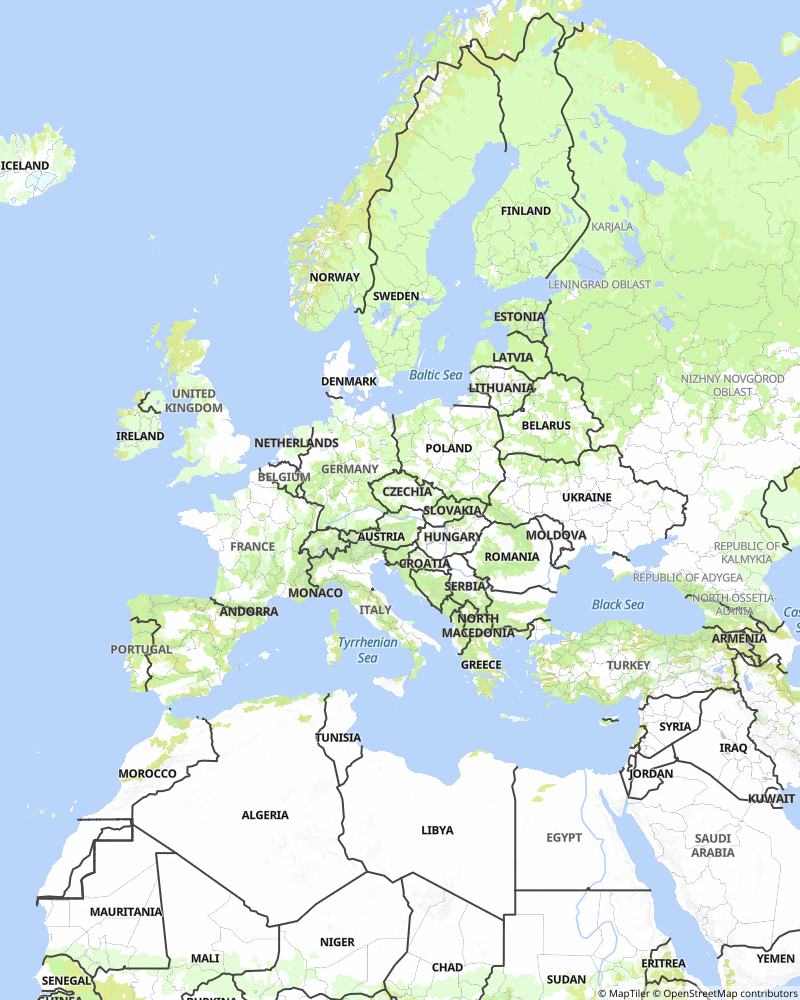
Hiking trails in European Union

1 Hikes


"Explore diverse landscapes and cultural treasures on Europe's enchanting trails in a hiker's paradise."

Embark on an unforgettable journey through the European Union's diverse landscapes, where each trail offers a unique tapestry of natural beauty and cultural heritage. From the rugged peaks of the Alps to the serene paths of the Camino de Santiago, hikers can explore lush forests, picturesque villages, and breathtaking coastlines. Discover hidden gems like Slovenia's Triglav National Park or the mystical Black Forest in Germany. With well-marked trails and welcoming locals, the EU is a hiker's paradise waiting to be explored.
Guide to hiking in European Union

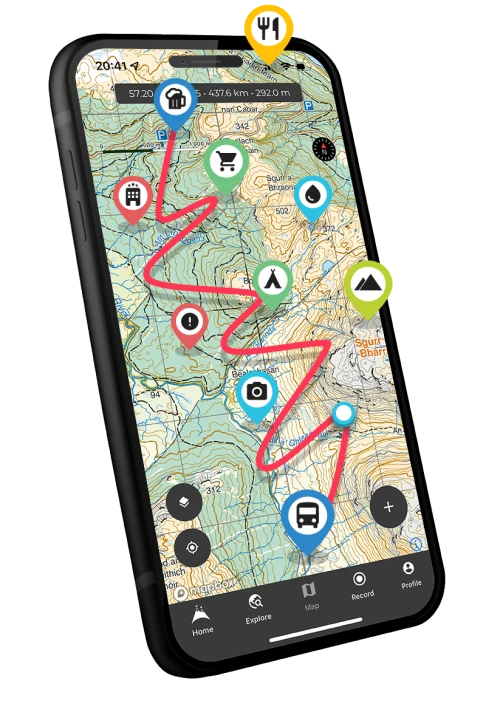
Be prepared for hiking in European Union with the HiiKER app

Most popular hikes in European Union

FAQs about hiking in European Union
What is the climate like for hiking in European Union?

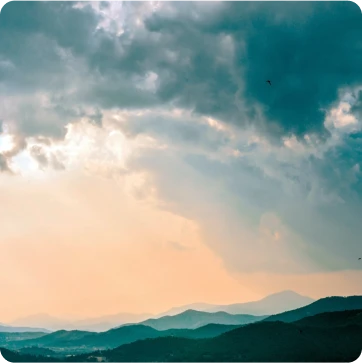
Hiking in the European Union offers a multitude of experiences as the climate varies greatly across regions and seasons. Spring and autumn are generally ideal for hiking. In spring, the climate is mild, flowers bloom, and wildlife awakens. Autumn also presents mild temperatures, but with added vibrant foliage. [1]

In summer, Southern European countries like Spain and Italy can get very hot, making hiking more challenging. Northern and Central European countries, however, offer pleasant summer hiking weather. Winter is reserved for the truly adventurous. While hiking in areas like the Alps can be a mesmerizing experience with snow-covered landscapes, it also brings risks such as avalanches and extreme cold. [2]

Always consider the region's weather patterns, elevation, and your personal preparedness before embarking on a hiking journey. Reliable resources such as The European Environment Agency's climate guide [3], local tourism websites, or the European Ramblers' Association [4] can provide more detailed, region-specific information.

[1] (https://www.lonelyplanet.com/articles/where-to-go-hiking-in-europe)
[2] (https://www.mountainiq.com/guides/hiking-in-europe/)
[3] (https://www.eea.europa.eu/themes/climate/faq)
[4] (http://www.era-ewv-ferp.org/)

Do I need a permit to hike in European Union?

For hiking in the European Union, permits are typically not required. However, for some protected areas or national parks, you may need special permission. It's best to check with the park's official website or local tourist information centers for specific requirements. The European Ramblers' Association provides useful contacts and information on hiking in Europe. [1]

[1] (http://www.era-ewv-ferp.org/)


Is wild camping allowed in European Union?

Wild camping while hiking in the European Union varies in legality by country, with some allowing it under specific conditions, and others strictly forbidding it. It's important to research each country's rules before embarking. Websites like "Wild Camping" provide comprehensive country-by-country guides to help plan your trip. [1]

[1] (https://wild-camping.org/)


Are there mountain rescue services in European Union?

In case of emergencies while hiking in the European Union, the universal European emergency number is 112. Some countries have mountain rescue services, but specifics vary by region. It's advised to research local services before your hike. The International Commission for Alpine Rescue provides useful resources. [1]

[1] (https://www.ikar-cisa.org/)


Are there dangerous plants in European Union?

Europe's diverse climates produce a variety of flora, enriching hiking experiences. From Mediterranean olive groves to Alpine edelweiss, Northern birch forests to British heather, the range is vast. Familiarize yourself with local flora using resources like the European Environment Agency's biodiversity information system. [1]

[1] (https://www.eea.europa.eu/themes/biodiversity/interactive)

What wildlife should I be aware of when hiking in European Union?

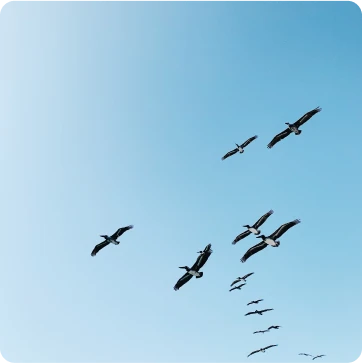
Hiking in the European Union might bring encounters with diverse wildlife, from deer in German forests to bears in the Romanian Carpathians. Insect encounters are also likely, including ticks and mosquitoes. Consider local fauna information using resources like the European Environment Agency's biodiversity data. [1]

[1] (https://www.eea.europa.eu/themes/biodiversity/interactive)


Choose which optional cookies and similar technologies HiiKER can use on this device. Privacy & cookie policy