Search a hike or location

search

Hiking trails in Australian Capital Territory

2 Hikes


"Explore ACT's trails where lush landscapes, ancient art, and diverse wildlife create enchanting adventures."

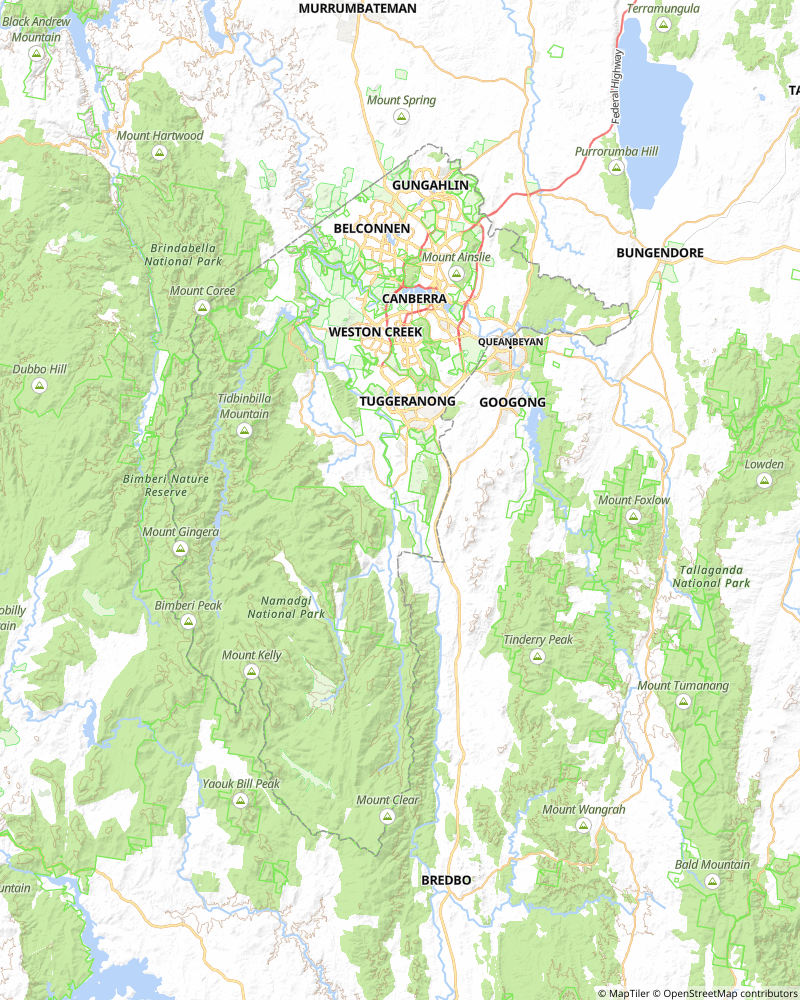
Discover the enchanting trails of the Australian Capital Territory, where nature's beauty unfolds at every turn. Hike through the lush landscapes of Namadgi National Park, where ancient Aboriginal art meets panoramic vistas. Wander the serene paths of Tidbinbilla Nature Reserve, home to diverse wildlife and tranquil eucalyptus forests. Each trail offers a unique adventure, inviting you to explore the heart of Australia's natural splendor and connect with its rich heritage.
Guide to hiking in Australian Capital Territory

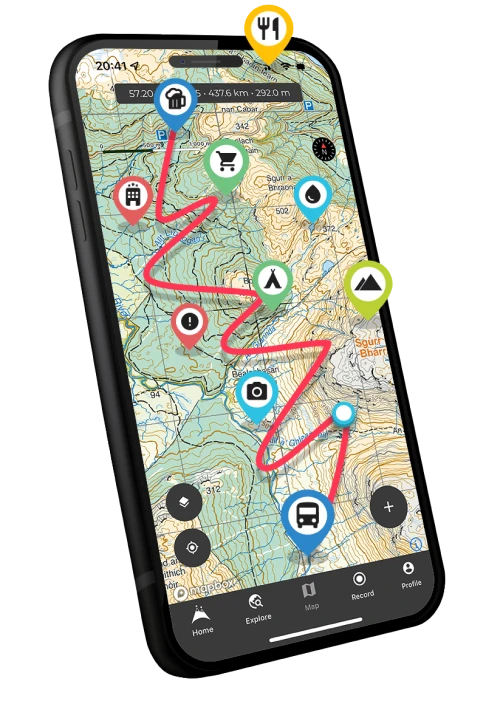
Be prepared for hiking in Australian Capital Territory with the HiiKER app

Most popular hikes in Australian Capital Territory

FAQs about hiking in Australian Capital Territory

What is the climate like for hiking in Australian Capital Territory?

The Australian Capital Territory (ACT) experiences a temperate climate with distinct seasons. In the summer (December to February), temperatures can be hot, reaching highs of around 30 degrees Celsius. Hikers should be prepared for potential heatwaves and bushfire risks. Autumn (March to May) offers milder temperatures, making it a popular time for hiking. The landscapes showcase beautiful autumn colors, especially in the forests surrounding Canberra.
Winter (June to August) in the ACT can be chilly, with temperatures ranging from 0 to 15 degrees Celsius. Snowfall is common in the higher elevations, such as the Brindabella Ranges. Hikers should dress warmly and be prepared for icy conditions on trails. Spring (September to November) brings mild temperatures and blooming wildflowers, providing a pleasant environment for hiking. However, it's important to be aware of changing weather conditions and potential rainfall.
When planning a hiking trip in the ACT, it's recommended to check weather forecasts, trail conditions, and any alerts or warnings issued by authorities. The ACT Parks and Conservation Service website (https://www.environment.act.gov.au/) provides up-to-date information on parks, trails, and current alerts. It's also advisable to carry appropriate clothing, sun protection, sufficient water, and be mindful of the potential for bushfires during the summer months.


Do I need a permit to hike in Australian Capital Territory?

When planning a hiking trip in the Australian Capital Territory (ACT), it's important to be aware of any permits required for certain areas or activities. The ACT Parks and Conservation Service manages the parks and reserves in the region. Depending on the specific location and type of hike, permits may be required. Contact the ACT Parks and Conservation Service or visit their website for information on permits, fees, and regulations. It's advisable to obtain permits in advance to ensure compliance and a smooth hiking experience. Check the ACT Government website (https://www.parks.act.gov.au/get-involved/bookings-and-permits) for detailed information on specific permits and regulations.


Is wild camping allowed in Australian Capital Territory?

When it comes to wild camping in the Australian Capital Territory (ACT), it's important to be aware of the regulations and guidelines. In most areas, wild camping is not permitted. Hikers are encouraged to use designated campsites and accommodation facilities. The ACT Parks and Conservation Service provides information on camping options and regulations on their website (https://www.parks.act.gov.au/where-to-stay). It's advisable to plan ahead and obtain necessary permits for camping in designated areas.


Are there mountain rescue services in Australian Capital Territory?

In the event of an emergency while hiking in the Australian Capital Territory (ACT), it's important to know who to contact for assistance. In case of a mountain rescue or any emergency situation, dial emergency services at 000. The ACT Emergency Services Agency (ESA) coordinates rescue operations, and local police and ambulance services are available for immediate assistance. It's advisable to inform someone about your hiking plans and carry a means of communication, such as a mobile phone, in case of emergencies.
https://esa.act.gov.au/


Are there dangerous plants in Australian Capital Territory?

When hiking in the Australian Capital Territory (ACT), hikers can expect to encounter a diverse range of flora across the region's landscapes. The ACT boasts a variety of eucalyptus trees, including the iconic Canberra blue gum. Wildflowers such as wattles, banksias, and native orchids add splashes of color to the bushland. For detailed information on the flora of the ACT, consult the Flora and Fauna of the ACT website provided by the ACT Government (https://ecobits.net.au/act/census-of-plants-of-the-act/).


What wildlife should I be aware of when hiking in Australian Capital Territory?

While hiking in the Australian Capital Territory (ACT), hikers may encounter a variety of insects and animals in the region's natural habitats. Common insects include butterflies, bees, spiders, and ants. The ACT is home to diverse wildlife, including kangaroos, wallabies, possums, echidnas, and a variety of bird species. The Mulligans Flat Woodland Sanctuary and Tidbinbilla Nature Reserve are great locations to observe native wildlife. For more information on the fauna of the ACT, consult the ACT Government's website (https://actwildlife.net/).