Download
Preview
Add to list
More
3.7 km
~47 min
28 m
Loop
“Nestled near Skagit County, this accessible loop trail offers serene meadows, lush forests, and historical insights.”
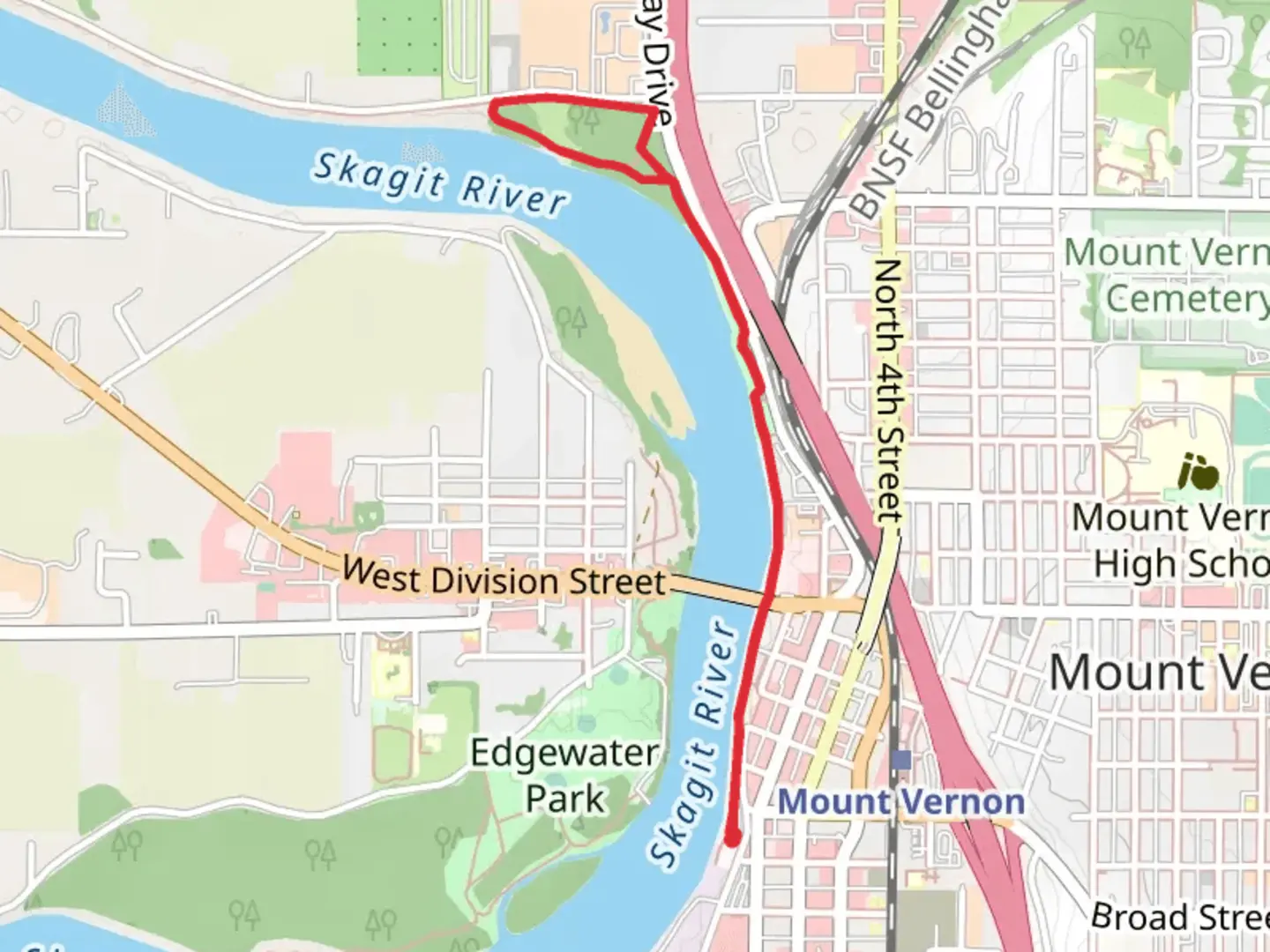
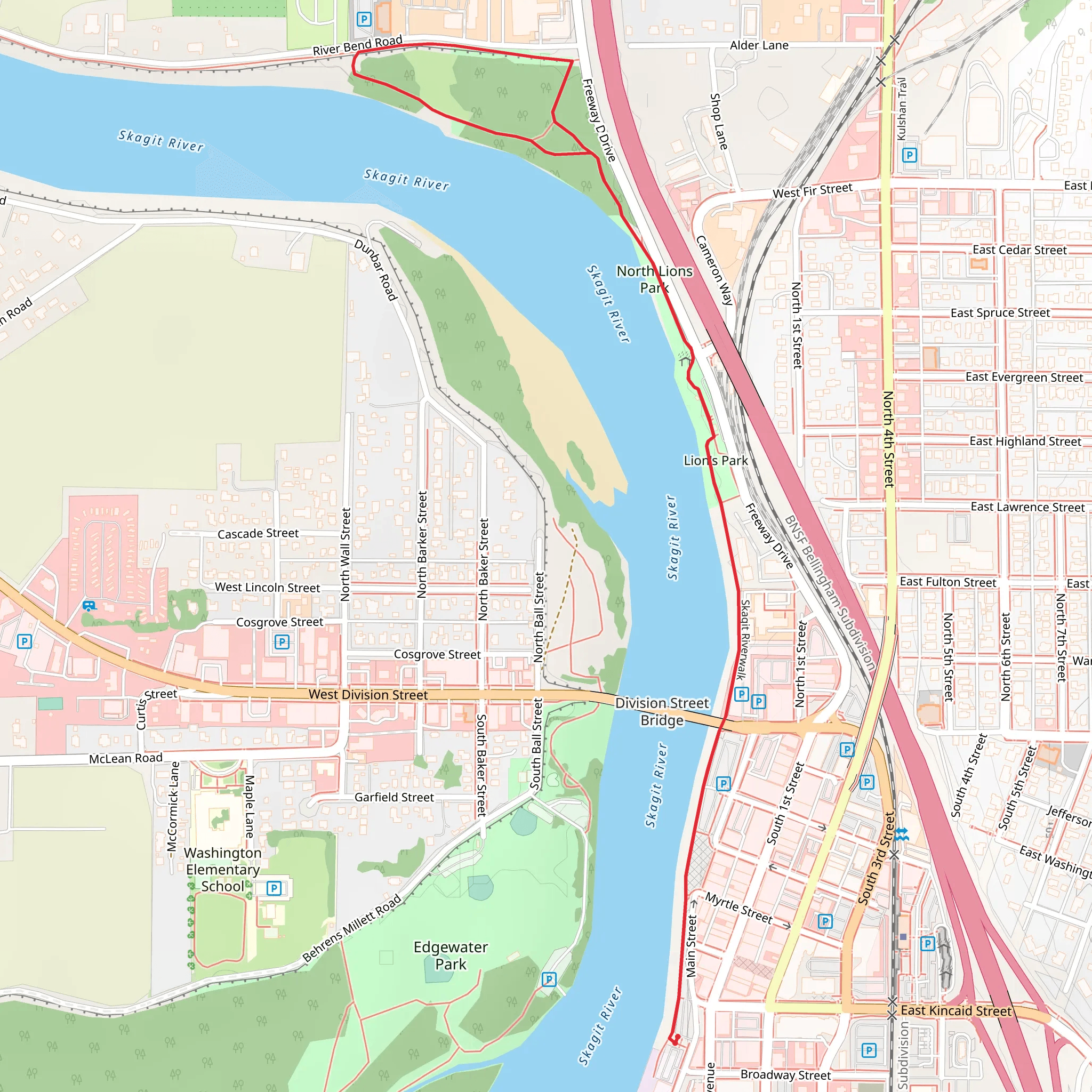
Nestled near Skagit County, Washington, this 4 km (approximately 2.5 miles) loop trail offers a delightful escape into nature with no significant elevation gain, making it accessible for a wide range of hikers. The trailhead is conveniently located near the North Lions Park, a well-known local landmark.
Getting There For those arriving by car, North Lions Park is easily accessible from Interstate 5. Take exit 230 and follow signs for WA-20 W toward Anacortes. After about 2 miles (3.2 km), turn right onto Avon Allen Rd, and then left onto Memorial Hwy. The park entrance will be on your right. Ample parking is available at the trailhead.
If you prefer public transport, Skagit Transit provides bus services that can get you close to the park. Take Route 40X from the Skagit Station in Mount Vernon and get off at the Memorial Hwy & Avon Allen Rd stop. From there, it's a short walk to the trailhead.
Trail Overview The North Lions Park trail is a loop that meanders through a mix of open meadows and dense forested areas. The trail is well-marked and maintained, making navigation straightforward. For those who prefer digital navigation tools, HiiKER offers an excellent map and GPS tracking for this trail.
Points of Interest As you embark on the trail, you'll first encounter a serene meadow, often dotted with wildflowers in the spring and summer months. This area is a great spot for birdwatching, with species such as the American Goldfinch and Red-winged Blackbird frequently seen.
About 1 km (0.6 miles) into the hike, you'll enter a lush forested section. The canopy here is dominated by Douglas fir and Western red cedar, providing ample shade and a cool respite on warmer days. Keep an eye out for local wildlife; deer and raccoons are common sightings, and if you're lucky, you might spot a fox or two.
Historical Significance The region around Skagit County has a rich history, particularly with the indigenous Coast Salish peoples who have inhabited the area for thousands of years. The park itself is named after the Lions Club, which has been instrumental in community service and development in the area. As you hike, you might notice interpretive signs that provide more information about the local flora, fauna, and history.
Practical Tips Given the trail's moderate difficulty, it's advisable to wear sturdy hiking shoes, especially after rain when the path can become muddy. Bring plenty of water and perhaps a snack to enjoy at one of the scenic spots along the way. While the trail is relatively short, it's always good practice to let someone know your plans and expected return time.
Wildlife and Flora The trail offers a diverse array of plant life, from towering conifers to delicate understory plants like ferns and trilliums. In the wetter months, mushrooms and other fungi can be seen sprouting from the forest floor. The area is also home to various bird species, so bringing a pair of binoculars could enhance your experience.
Final Stretch As you near the end of the loop, the trail opens up again into another meadow, offering a different perspective and a chance to see more wildlife. The final stretch is a gentle walk back to the trailhead, where you can relax and perhaps enjoy a picnic in the park.
This trail is a perfect blend of natural beauty and historical significance, offering a peaceful retreat for both novice and experienced hikers.
What to expect?
Activity types
Comments and Reviews
User comments, reviews and discussions about the North Lions Park, Washington.
4.76
average rating out of 5
17 rating(s)
