Download
Preview
Add to list
More
9.0 km
~2 hrs 26 min
381 m
Loop
“A picturesque 9 km loop in Eyam offers historical intrigue, natural beauty, and moderate challenge.”
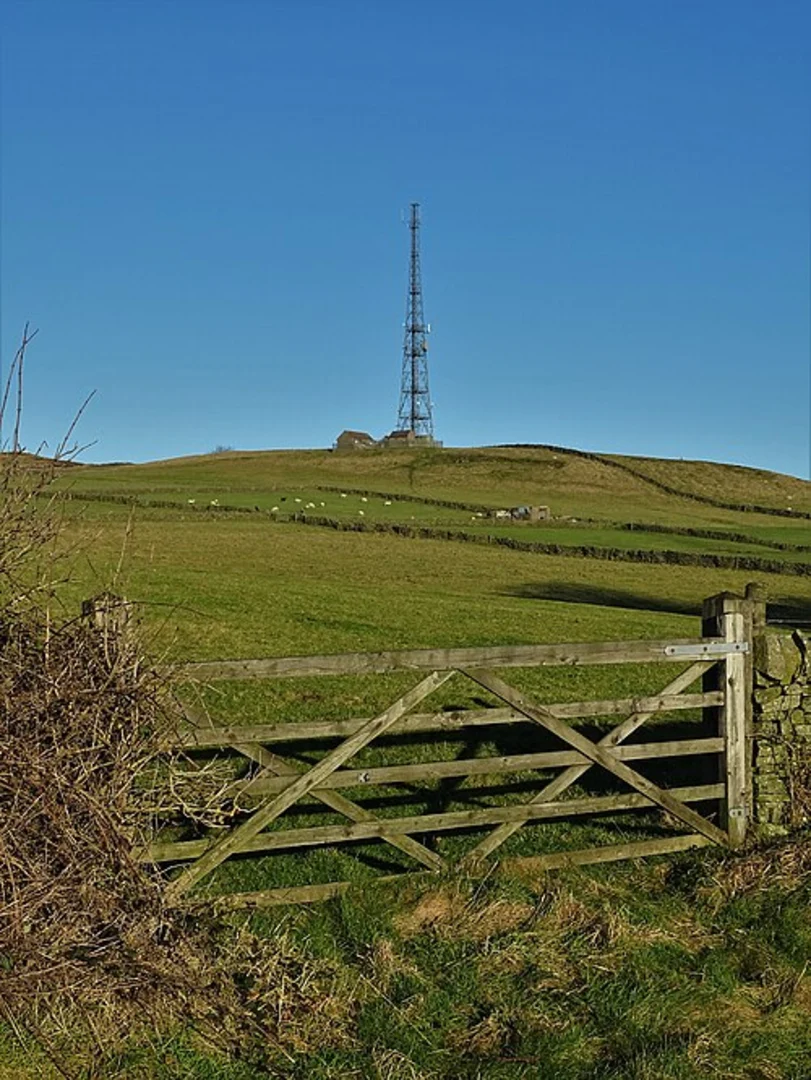
Starting near the picturesque village of Eyam in Derbyshire, England, this 9 km (5.6 miles) loop trail offers a blend of historical intrigue, natural beauty, and moderate physical challenge. With an elevation gain of around 300 meters (984 feet), hikers can expect a variety of terrains and scenic vistas.### Getting There To reach the trailhead, you can drive to Eyam, which is well-signposted from the A623. Parking is available in the village, often near the Eyam Museum. For those using public transport, the nearest train station is Grindleford, approximately 6 km (3.7 miles) away. From Grindleford, you can take a local bus or taxi to Eyam.### Historical Significance Eyam, known as the "Plague Village," has a poignant history dating back to the 1665 bubonic plague. The village's self-imposed quarantine to prevent the spread of the disease is a remarkable story of sacrifice and community spirit. As you walk through Eyam, you'll encounter several historical markers and plaques detailing this period.### Trail Overview The loop begins in Eyam, where you can explore the village's historical sites, including the Eyam Museum and the Plague Cottages. Heading out of the village, the trail ascends towards Sir William Hill, offering panoramic views of the surrounding Peak District.### Key Sections and Landmarks#### Eyam to Sir William Hill The initial section of the trail takes you through Eyam's narrow lanes and past its historic buildings. As you leave the village, the path begins to climb steadily. The ascent to Sir William Hill is gradual but consistent, covering approximately 3 km (1.9 miles) with an elevation gain of about 150 meters (492 feet). The hill itself is a notable landmark, providing sweeping views of the Derwent Valley and beyond.#### Sir William Hill to Stoney Middleton From Sir William Hill, the trail descends towards the village of Stoney Middleton. This section is around 2 km (1.2 miles) and features a mix of open moorland and wooded areas. Stoney Middleton is known for its unique limestone architecture and the historic St. Martin's Church, which is worth a brief detour.#### Stoney Middleton to Eyam The final leg of the loop takes you back to Eyam, covering approximately 4 km (2.5 miles). This part of the trail is relatively flat and follows a series of well-marked footpaths and bridleways. Along the way, you'll pass through fields and meadows, often dotted with wildflowers and local wildlife such as rabbits and various bird species.### Navigation and Safety Given the varied terrain and historical sites, it's advisable to use a reliable navigation tool like HiiKER to stay on track. The trail is generally well-marked, but having a digital map can be invaluable, especially in the more remote sections.### Flora and Fauna The trail offers a rich tapestry of natural beauty. In spring and summer, the meadows are alive with wildflowers, including bluebells and buttercups. The wooded areas provide habitat for a variety of bird species, and you may also spot deer and foxes in the more secluded parts of the trail.### Final Tips Wear sturdy hiking boots, as the trail can be uneven and muddy in places. Bring water and snacks, as there are limited facilities once you leave the villages. Weather in the Peak District can be unpredictable, so pack a waterproof jacket and layers.This loop trail is a rewarding hike that combines physical challenge with historical and natural exploration, making it a must-visit for anyone in the Derbyshire area.

What to expect?
Activity types
Comments and Reviews
User comments, reviews and discussions about the Eyam and Stoney Middleton Loop via Sir William Hill, England.
5.0
average rating out of 5
2 rating(s)
