Download
Preview
Add to list
More
9.3 km
~2 hrs 8 min
166 m
Loop
“Discover the perfect blend of history, nature, and charm on the Neville Castle, Gillamoor and Rumsdale Plantation Loop.”
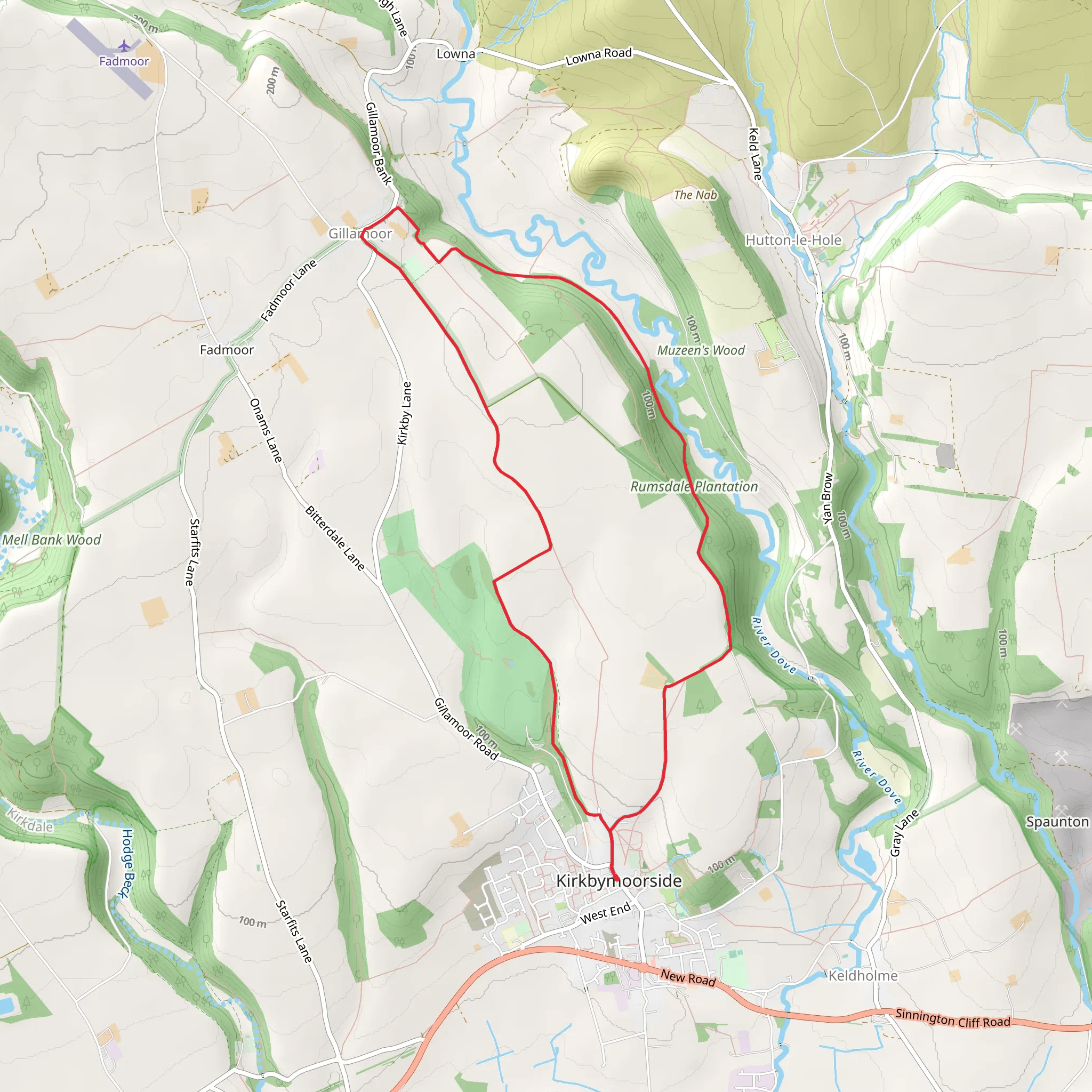
Starting near the charming village of Gillamoor in North Yorkshire, England, the Neville Castle, Gillamoor and Rumsdale Plantation Loop is a delightful 9 km (approximately 5.6 miles) journey through picturesque landscapes and historical sites. With an elevation gain of around 100 meters (328 feet), this loop trail is rated as medium difficulty, making it suitable for moderately experienced hikers.
Getting There To reach the trailhead, you can drive to Gillamoor, which is accessible via the A170 road. Parking is available near the village center. For those using public transport, the nearest train station is in Pickering, about 10 miles (16 km) away. From Pickering, you can take a local bus to Gillamoor.
Trail Highlights
#### Neville Castle The trail begins with a gentle ascent towards the ruins of Neville Castle, an ancient structure dating back to the medieval period. Although only remnants of the castle remain, the site offers a fascinating glimpse into the region's history. The castle was once a stronghold for the powerful Neville family, who played significant roles in English history.
#### Gillamoor Village As you loop back towards Gillamoor, take a moment to explore this quaint village. Known for its traditional stone cottages and the beautiful St. Aidan's Church, Gillamoor is a quintessential example of rural English charm. The village green and local pub provide perfect spots for a brief rest.
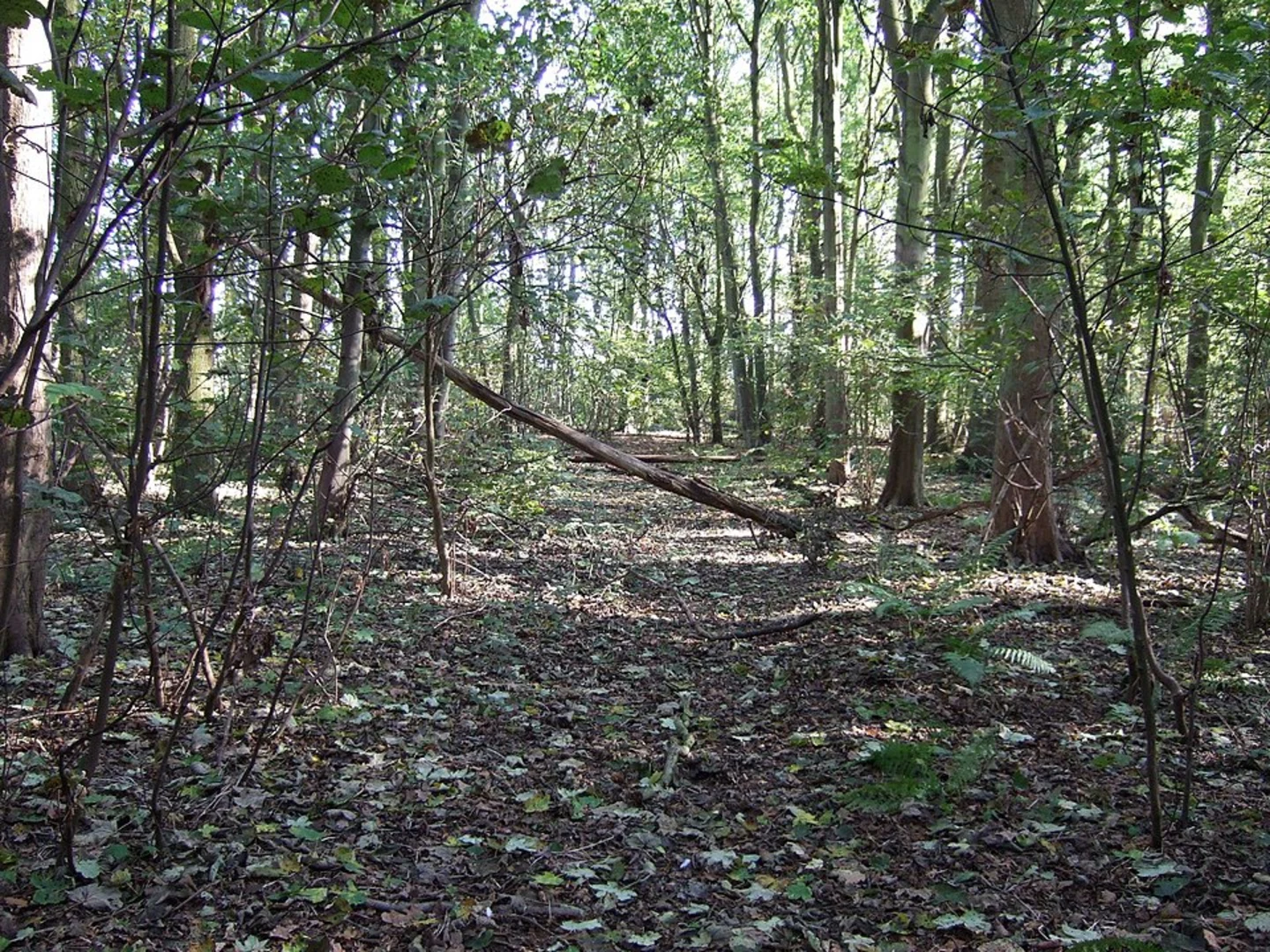
#### Rumsdale Plantation Continuing on, the trail leads you through the serene Rumsdale Plantation. This section is characterized by dense woodlands and a variety of native flora and fauna. Keep an eye out for deer, foxes, and a plethora of bird species. The plantation offers a peaceful respite and a chance to immerse yourself in nature.
Navigation and Terrain The trail is well-marked, but it's always wise to have a reliable navigation tool like HiiKER to ensure you stay on track. The terrain varies from open fields to forested paths, with some sections that can be muddy, especially after rain. Good hiking boots are recommended.
Points of Interest - **Neville Castle Ruins:** Approximately 2 km (1.2 miles) from the start, offering historical insights and panoramic views. - **Gillamoor Village:** Around 4 km (2.5 miles) into the hike, perfect for a mid-point break. - **Rumsdale Plantation:** Roughly 6 km (3.7 miles) from the trailhead, ideal for wildlife spotting and enjoying the tranquility of the woods.
Wildlife and Flora The trail is home to a diverse range of wildlife. In the open fields, you might spot rabbits and hares, while the woodlands are a haven for birdwatchers. Seasonal wildflowers add splashes of color to the landscape, making spring and summer particularly beautiful times to hike this loop.
Historical Significance The area around Neville Castle and Gillamoor is steeped in history. The castle itself is a testament to the medieval era, and the village of Gillamoor has retained much of its historical charm. Walking this trail is like stepping back in time, offering a unique blend of natural beauty and historical intrigue.
This loop trail offers a well-rounded hiking experience with its mix of historical landmarks, charming village scenery, and serene natural environments. Whether you're a history buff, nature lover, or simply looking for a pleasant day hike, this trail has something to offer.
Comments and Reviews
User comments, reviews and discussions about the Neville Castle, Gillamoor and Rumsdale Plantation Loop, England.
4.67
average rating out of 5
3 rating(s)
